
Online Buzzwords China Decoded for Global Audiences
- Date:
- Views:218
- Source:The Silk Road Echo
China's internet culture is a wild ride—fast, funny, and full of mystery if you're not in the know. From dazi to neijuan, online slang here isn’t just cute lingo; it’s a mirror reflecting society’s heartbeat. So, what are netizens actually saying behind those quirky phrases? Let’s decode the buzz.
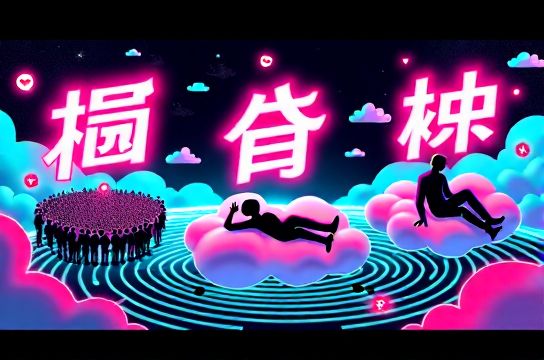
Why Chinese Internet Slang Goes Viral
With over 1 billion internet users, China’s digital space breeds creativity under censorship. Netizens use wordplay, puns, and irony to dodge restrictions while staying relatable. These terms spread like wildfire on platforms like Weibo, Douyin, and Xiaohongshu.
Top 5 Must-Know Chinese Internet Terms (2024)
| Buzzword | Literal Meaning | Cultural Context | Usage Example |
|---|---|---|---|
| 内卷 (nèijuǎn) | Involution | Hyper-competition with no real gain | “Working 80-hour weeks for the same promotion? Total neijuan.” |
| 躺平 (tǎngpíng) | Lying flat | Rejecting societal pressure to hustle | “I quit my job. Time to tangping and breathe.” |
| 社死 (shèsǐ) | Social death | Extreme embarrassment in public | “Tripped in front of my boss—total she si moment.” |
| 破防 (pòfáng) | Broke defense | Emotionally overwhelmed | “That puppy video totally po fang-ed me.” |
| 打工人 (dǎgōng rén) | Working stiff | Sarcastic self-label for office workers | “Another Monday. Back to being a dagongren.” |
The Hidden Pulse Behind the Humor
These words aren’t just jokes—they’re coping mechanisms. Take neijuan: it started in academia but now describes any exhausting grind, from parenting to promotions. And tangping? It’s Gen Z’s quiet rebellion against burnout culture.
A 2023 survey by Peking University found that 68% of urban millennials identify with tangping ideals, even if they don’t fully opt out. That tension—between ambition and exhaustion—is the soul of these buzzwords.
How Brands Ride the Wave
Smart marketers get it. When beverage brand HeyTea launched a tangping campaign with slogans like “Rest is revolutionary,” engagement spiked by 40%. But missteps happen. A bank once used neijuan in an ad promoting overtime loans—users roasted them into oblivion.
Pro Tips for Global Readers
- Context is king: These terms thrive on irony. Use them lightly, not literally.
- Stay updated: Slang evolves fast. What’s hot today may be cringe tomorrow.
- Respect the subtext: Behind every meme is real social stress.
China’s digital slang is more than viral—it’s a cultural cipher. Whether you’re a marketer, traveler, or curious observer, understanding these phrases unlocks a deeper layer of modern Chinese life. So next time you hear dagongren, don’t just laugh—listen.