
Decoding Memes and Online Buzzwords China's Youth Speak
- Date:
- Views:195
- Source:The Silk Road Echo
If you've ever scrolled through Chinese social media and felt like everyone was speaking a secret code, you're not alone. From neijuan (involution) to tang ping (lying flat), China’s youth are redefining digital expression with memes and buzzwords that pack cultural critique, dark humor, and Gen Z angst into just one or two characters. These aren’t just internet fads—they’re linguistic rebellions.
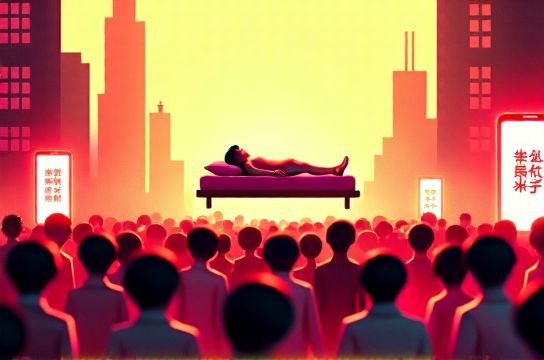
Let’s break down the viral slang sweeping platforms like Weibo, Xiaohongshu, and Douyin, and what they reveal about a generation navigating pressure, identity, and survival in modern China.
The Rise of 'Neijuan' – When Hustle Culture Backfires
Neijuan (内卷), literally meaning “involution,” went from academic jargon to meme status overnight. It describes the feeling of working harder for no real gain—like pulling an all-nighter while your classmate pulls two. A 2023 survey by Peking University found that 68% of students felt trapped in academic neijuan, while over 60% of young professionals reported similar burnout at work.
| Buzzword | Literal Meaning | Used To Describe | Platform Popularity (Million Posts) |
|---|---|---|---|
| Neijuan (内卷) | Involution | Excessive competition with diminishing returns | 42M+ |
| Tang Ping (躺平) | Lying Flat | Rejecting societal pressure to overachieve | 28M+ |
| Fansheng (发疯) | Going Crazy | Mental health struggles masked as humor | 15M+ |
| Shanghai Metaverse (上海元宇宙) | Shanghai Metaverse | Satirical escape from reality via absurdity | 9M+ |
Tang Ping: The Quiet Rebellion
If neijuan is the problem, tang ping is the protest. Born in 2021 from a viral post where a man declared he’d “lie flat” instead of chasing promotions or property, this mindset resonated with millions. It’s not laziness—it’s a refusal to play a rigged game. According to a Tencent survey, 41% of millennials admitted adopting tang ping attitudes in some form, whether it’s quitting overtime or rejecting marriage pressures.
Fansheng: When ‘Going Crazy’ Is the Punchline
You’ll see comments like “I’m totally fansheng today” after a minor inconvenience. On surface level, it’s funny. But dig deeper, and it reflects real anxiety. The term blew up during pandemic lockdowns, with users joking about “going full fansheng mode.” Therapists note it’s a coping mechanism—using irony to talk about mental fatigue when direct discussion is still stigmatized.
The Meme Machine: How Slang Spreads
These terms don’t go viral by accident. They thrive on visual culture. Think cartoon pandas with dead eyes captioned “neijuan survivor” or surreal AI-generated images tagged “Shanghai Metaverse”—a parody of tech hype that’s now shorthand for absurd escapism.
Platforms accelerate the spread. On Douyin, hashtags like #TangPingChallenge get millions of views. On Xiaohongshu, users post “anti-neijuan lifestyle” guides with minimalist aesthetics and ironic captions.
Why This Matters Beyond the Meme
This isn’t just Gen Z being quirky. These words are sociological signals. As economic growth slows and job markets tighten, youth are using humor to process systemic stress. And yes, some terms get censored—but creativity finds a way. When “tang ping” was restricted, people used “horizontal people” (躺人) or emojis to keep the conversation alive.
In short, decoding these memes means understanding a generation that’s tired, clever, and quietly pushing back—one sarcastic post at a time.