
Decoding Chinese Buzzwords Behind the Hottest Net Slurs
- Date:
- Views:220
- Source:The Silk Road Echo
Ever scrolled through a Chinese social media feed and felt like everyone’s speaking a secret code? You’re not alone. From neijuan to tangping, China’s internet is buzzing with slang that’s way more than just memes—it’s a cultural earthquake in digital form. Let’s crack the code on these viral buzzwords, unpack what they really mean, and why they’re blowing up online.
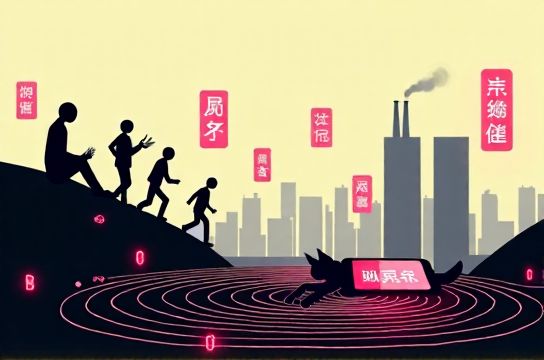
What’s All the Fuss About?
Chinese netizens aren’t just chatting—they’re rebelling, coping, and connecting through clever wordplay. These slangs often start as jokes but quickly morph into social commentary, reflecting everything from workplace burnout to generational frustration. Think of them as emotional hashtags with PhDs.
The Big Four: Slang That Speaks Volumes
Here are four must-know terms dominating Weibo, Douyin, and Xiaohongshu:
| Buzzword | Literal Translation | Real Meaning | Popularity Index (2023) |
|---|---|---|---|
| 内卷 (nèijuǎn) | Involution | Self-defeating overwork culture | 9.8/10 |
| 躺平 (tǎngpíng) | Lying Flat | Rejecting hustle culture | 9.5/10 |
| 打工人 (dǎgōng rén) | Working Dog | Sarcastic self-label for office grinders | 9.0/10 |
| 佛系 (fóxì) | Buddha-like | Chill, detached lifestyle | 8.7/10 |
Why These Words Hit So Hard
Take neijuan—it started in academia but now describes any scenario where people work harder for zero gain. Imagine 10 students pulling all-nighters just to outdo each other on a meaningless exam. That’s neijuan: exhausting, pointless competition.
Then there’s tangping, the Gen Z middle finger to corporate grind culture. It’s not laziness—it’s a conscious choice to opt out of the rat race. As one Weibo user put it: “I’d rather sleep than slave for a boss who calls at midnight.”
The Language of Resistance
These words aren’t random—they’re survival tools. In a society where direct criticism can be risky, irony and metaphor become shields. Calling yourself a dagongren (working dog) isn’t self-pity; it’s solidarity. It says, “We’re all stuck in this mess together.”
And fóxì? It’s the art of emotional detachment. No drama, no stress—just quiet acceptance. Perfect for millennials drowning in housing prices and parental pressure.
From Meme to Movement
What makes these slangs stick is their evolution. They start as jokes, then spark debates, and eventually influence real-life behavior. After tangping went viral, some companies even reported drops in overtime hours. That’s the power of a well-placed pun.
How to Use Them (Without Looking Lame)
- Neijuan? Use it when your team加班 (jiābān – works overtime) for no reason.
- Tangping? Post a pic of your couch with “今日躺平” (lying flat today).
- Dagongren? Add it to your WeChat bio with a crying-laughing emoji.
- Foxi? When someone asks why you didn’t reply to their text: “佛系生活.”
Just remember: context is king. These words carry weight. Use them with empathy, not mockery.
The Bottom Line
Chinese internet slang isn’t just trendy—it’s trenchant. Each term captures a mood, a moment, a generation’s cry for sanity in a hyper-competitive world. So next time you see 内卷 or 躺平, don’t just laugh. Listen. Because behind the meme is a message.