
Meme Culture China How Viral Jokes Shape Online Identity
- Date:
- Views:274
- Source:The Silk Road Echo
In the digital heartbeat of modern China, memes aren’t just jokes—they’re a language. From sarcastic emojis to absurd remixes of ancient poetry, Chinese netizens have turned meme culture into a powerful tool for self-expression, rebellion, and social commentary. In a tightly regulated online space, humor becomes both escape and resistance.
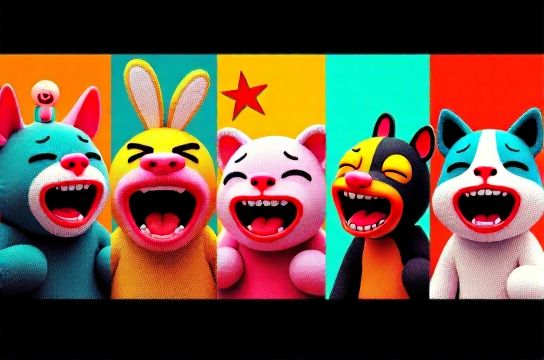
Platforms like Weibo, Douyin (China’s TikTok), and Bilibili are meme incubators. Unlike Western meme formats that often rely on image macros or viral videos, Chinese memes thrive on wordplay, historical references, and linguistic creativity. Take the phrase “内卷” (nèijuǎn, meaning 'involution')—what started as an academic term exploded into a satirical meme mocking endless competition in work and education.
One iconic example? The 'Blue Thin Mushroom' meme from 2016. A man, heartbroken and speaking in Nanning dialect, slurred, *'Lan sile, xiang ku le guzi'* (‘Feeling blue, want to cry like a mushroom’). The absurd delivery went supernova, spawning countless remixes and merchandise. It wasn’t just funny—it captured urban loneliness in a rapidly changing society.
But why do memes resonate so deeply? They reflect identity. In a world where direct criticism is risky, irony and satire allow users to comment on everything from job pressure to political apathy—all under the radar.
Top Platforms Driving Meme Culture in China
| Platform | Monthly Active Users (2023) | Meme Style | Cultural Impact |
|---|---|---|---|
| 580 million | Viral hashtags, celebrity roasts | Breaking news through satire | |
| Douyin | 750 million | Short-video skits, lip-sync parodies | Shaping youth slang & trends |
| Bilibili | 315 million | Anime edits, danmu-comment memes | Nurturing Gen Z subcultures |
The numbers don’t lie—meme platforms are where China’s internet soul lives. On Bilibili, real-time scrolling comments (danmu) turn passive viewing into a collective joke experience. Watching a serious documentary? Someone will flood the screen with “前方高能” (‘High energy ahead!’) before a meme-worthy moment drops.
Even brands get in on the action. When Li Ning launched a ‘ugly sneaker’ line inspired by state-owned enterprise aesthetics, fans roasted it—then bought it out. Meme logic: mock it, then own it.
And let’s talk about emojis with attitude. Standard smileys won’t cut it. Instead, users trade custom stickers of grumpy pandas, crying office workers, or Chairman Mao with sunglasses. These aren’t just cute—they’re coded messages. Sending a ‘dog with a raised paw’ might mean sarcasm; a ‘sweating Buddha’ says, ‘I’m stressed but pretending I’m zen.’
So what’s next? As AI-generated content rises, expect more surreal, algorithm-baiting memes. But the core stays the same: in a world of filters and censorship, memes offer raw, relatable truth—with a punchline.
Bottom line? In China, a joke isn’t just a joke. It’s identity, community, and quiet rebellion—all wrapped in a GIF.