
Decoding Chinese Buzzwords From Internet Slang to Social Commentary
- Date:
- Views:221
- Source:The Silk Road Echo
If you've spent any time scrolling through Chinese social media—whether it's Weibo, Xiaohongshu, or Douyin—you've probably come across phrases like neijuan, tangping, or involution. These aren't just passing internet fads; they're cultural signals, whispered (and sometimes shouted) by a generation navigating rapid change, economic pressure, and shifting values.
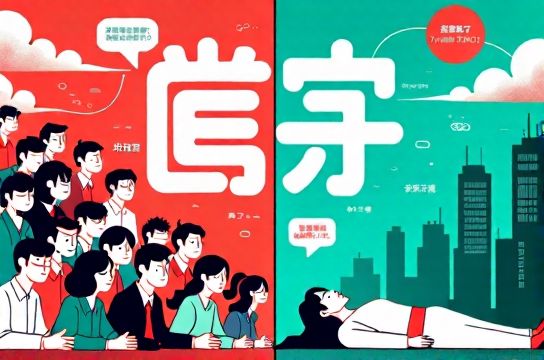
Let’s break down the most iconic Chinese buzzwords that have evolved from memes into powerful social commentary.
What Are Chinese Buzzwords?
In China, internet slang isn’t just playful—it's often political, philosophical, and deeply reflective of societal moods. With strict content controls, netizens use irony, puns, and metaphors to express frustration, humor, and resistance. This linguistic creativity has given birth to terms that capture entire lifestyles and mindsets.
The Big Five: Decoding the Slang
- 内卷 (Nèijuǎn) – Involution: Imagine running on a treadmill while everyone else speeds up. That’s neijuan. It describes the exhausting cycle of overwork for minimal gain. A 2023 survey by Zhaopin found that 67% of urban white-collar workers feel trapped in "involution," working longer hours without career advancement.
- 躺平 (Tǎngpíng) – Lie Flat: The antidote to neijuan. To "lie flat" is to reject relentless hustle culture. It doesn’t mean doing nothing—it means opting out of unfair competition. A viral post from a young man who quit his job to live on 200 RMB/month sparked national debate.
- 打工人 (Dǎgōngrén) – Laborer: Once a neutral term, now used sarcastically. "I’m not a person—I’m a打工人" reflects the dehumanization of office life. The phrase went viral with memes showing exhausted workers sipping cheap coffee before dawn shifts.
- 佛系 (Fóxì) – Buddha-like: Calm, detached, unbothered. This mindset promotes emotional minimalism—don’t stress over promotions, relationships, or material success. Popular among millennials tired of societal expectations.
- 社死 (Shèsǐ) – Social Death: That moment when embarrassment hits so hard you wish the ground would swallow you. Think tripping in public or accidentally replying-all at work. The term blends humor with real anxiety about social reputation.
Buzzwords in Context: Data Snapshot
| Buzzword | Literal Meaning | Search Volume (Baidu, Monthly) | Social Mentions (Weibo, 2023) |
|---|---|---|---|
| 内卷 (Neijuan) | Involution | 82,000 | 1.2M+ |
| 躺平 (Tangping) | Lie Flat | 54,000 | 980K+ |
| 打工人 (Dagongren) | Worker | 70,000 | 2.1M+ |
| 佛系 (Foxi) | Buddha-like | 38,000 | 650K+ |
| 社死 (Shesi) | Social Death | 45,000 | 890K+ |
Why Do These Words Matter?
They’re more than jokes—they’re coping mechanisms. In a society where direct criticism can be risky, coded language allows people to vent collectively. When someone says "I’m lying flat," they’re not just lazy—they’re making a statement about burnout and inequality.
These terms also reveal generational divides. While older generations value perseverance and sacrifice, younger Chinese are redefining success—not as wealth or status, but as mental peace and autonomy.
The Global Ripple
Terms like "lying flat" have been covered by The New York Times and BBC, resonating with global audiences facing similar pressures. The concept of "quiet quitting" in the U.S.? It’s basically tangping with a different accent.
Understanding these buzzwords isn’t just about language—it’s about empathy. They offer a window into the soul of modern China, where digital expression fills the gaps left by silence.