
Decoding Popular Chinese Buzzwords Behind Short Videos
- Date:
- Views:262
- Source:The Silk Road Echo
If you've scrolled through TikTok, Kuaishou, or even Douyin (China's version of TikTok), you've probably seen phrases like 'XSWL' or 'ZZZQ' flying around. These aren't random keyboard smashes — they're coded messages in the wild world of Chinese internet slang. And guess what? They’re not just cute abbreviations; they reveal real cultural vibes, social anxieties, and Gen Z humor.
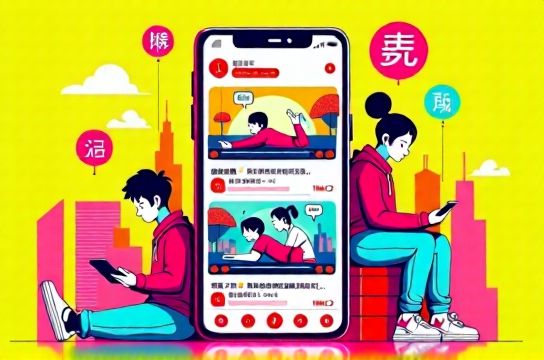
Let’s break down some of the most viral Chinese buzzwords hiding behind short videos, why they went viral, and what they say about modern Chinese youth culture.
Top 5 Must-Know Chinese Internet Slang Terms
| Buzzword | Literal Meaning | Cultural Context | Usage Example |
|---|---|---|---|
| XSWL | Laughing to death (Xiao Si Wo Le) | Used when something is hilariously relatable | “Just saw my boss dance in a meme — XSWL!” |
| ZZZQ | Zero Zero Zero Quest (Zheng Zhi Zheng Que) | Sarcasm for being overly politically correct | “He apologized for breathing too loud… total ZZZQ.” |
| 996 | Work 9 am to 9 pm, 6 days a week | Critique of toxic work culture | “Started a side hustle because I hate 996.” |
| Neijuan | Involution — overworking with no gain | Feeling trapped in competitive rat race | “Studying 18 hours a day but still failing? That’s neijuan.” |
| Tangping | Lie flat — rejecting hustle culture | Youth pushback against pressure | “I quit my job to tangping. Best decision ever.” |
Why Do These Words Go Viral?
Short video platforms thrive on speed, emotion, and shared experience. These buzzwords pack complex feelings into just a few letters or syllables. For example, tangping isn’t just laziness — it’s a quiet rebellion. According to a 2023 survey by iResearch, over 68% of Chinese users aged 18–24 said they’ve used at least one of these slang terms online weekly.
And here’s the kicker: platforms like Douyin boost content using trending keywords. So if your video says “neijuan,” it’s more likely to be seen. It’s language as both expression and algorithm hack.
The Hidden Emotions Behind the Memes
Behind every laugh-out-loud acronym is a deeper story. 996 blew up after programmers protested on GitHub. Neijuan reflects academic and career burnout. And tangping? It’s the Gen Z answer to ‘hustle porn.’
These words aren’t just slang — they’re survival tools. In a high-pressure society, laughing at the absurdity is sometimes the only way to cope.
How to Use Them (Without Being Cringe)
- Know the context: Don’t throw around ZZZQ unless you’re making a satirical point.
- Pair with visuals: A video of someone napping with “tangping” text hits harder.
- Stay updated: Slang evolves fast. What’s cool today might be cringe tomorrow.
So next time you see XSWL in a comment, don’t just scroll past. Pause. Laugh. And maybe even reply with a well-timed ‘tangping’ of your own.