
Decoding Online Buzzwords China From Memes to Mainstream Speech
- Date:
- Views:253
- Source:The Silk Road Echo
Ever scrolled through Chinese social media and felt like everyone’s speaking a whole new language? You’re not alone. In China, internet slang evolves faster than you can say “内卷 (nèijuǎn)”. What starts as a niche meme in a Weibo comment can explode into national headlines, boardroom meetings, and even government reports. Welcome to the wild, witty, and wildly creative world of Chinese online buzzwords.
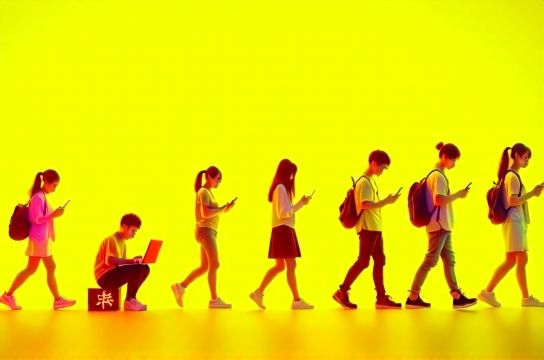
The Rise of Digital Dialects
China’s internet culture is a linguistic playground. With over 1.05 billion netizens (CNNIC, 2023), the digital landscape is fertile ground for linguistic innovation. Censorship and character limits push users to get clever—think puns, homophones, and layered metaphors. Words like “躺平 (tǎngpíng)” — literally “lying flat” — capture generational fatigue with hustle culture. It’s not laziness; it’s quiet resistance.
These terms aren’t just passing fads. They reflect real social currents: economic pressure, youth disillusionment, and digital identity. Let’s break down some key buzzwords making waves:
| Buzzword | Literal Meaning | Cultural Significance | Year Popularized |
|---|---|---|---|
| 内卷 (nèijuǎn) | Involution | Excessive competition with no real gain | 2020 |
| 躺平 (tǎngpíng) | Lying flat | Rejecting societal pressure to overwork | 2021 |
| 破防 (pòfáng) | Breach defense | Emotionally overwhelmed or moved | 2022 |
| 摆烂 (bǎilàn) | Letting it rot | Intentional underperformance | 2022 |
| 电子榨菜 (diànzǐ zhàcài) | Electronic pickles | Comfort content eaten with meals | 2023 |
From Meme to Movement
Take “电子榨菜” — a quirky term for binge-worthy videos or shows people watch while eating alone. It’s nostalgic, comforting, and speaks to urban loneliness. Platforms like Bilibili and Douyin are breeding grounds for such expressions. A single viral video can spark a thousand comments, each tweaking the phrase until it sticks.
And let’s not forget homophonic wordplay. “栓Q” (shuān Q) sounds like “thank you” in Chinglish but carries a sarcastic edge. It started as mockery but now conveys playful resignation. Language becomes satire, satire becomes speech.
Why This Matters Beyond the Feed
These words don’t stay online. “躺平” made it into official Xinhua commentary. “内卷” is used in corporate strategy meetings. They’re barometers of public sentiment. For marketers, educators, and policymakers, decoding this lingo isn’t just cool—it’s crucial.
Even globally, terms like “add oil” (from “加油”) entered the Oxford Dictionary. China’s digital dialect is going international.
Final Thoughts: Speak the Slang, Understand the Soul
Chinese internet buzzwords are more than jokes—they’re cultural snapshots. To understand them is to understand the hopes, humor, and headaches of a generation navigating rapid change. So next time you see “破防了”, know it’s not just about emotions breaking through—it’s about a society redefining how it speaks, shares, and survives the digital age.
Stay curious. Stay fluent. And maybe… just lie flat for a minute.