
Online Buzzwords China and Their Cultural Significance
- Date:
- Views:183
- Source:The Silk Road Echo
If you've spent any time scrolling through Chinese social media—whether it's Weibo, Douyin, or Xiaohongshu—you've probably stumbled upon phrases like 内卷 (nèijuǎn), 躺平 (tǎngpíng), or 社死 (shèsǐ). These aren't just random slang—they're cultural snapshots of a generation navigating rapid change, economic pressure, and digital identity. Let’s dive into the most viral Chinese internet buzzwords, what they really mean, and why they matter.
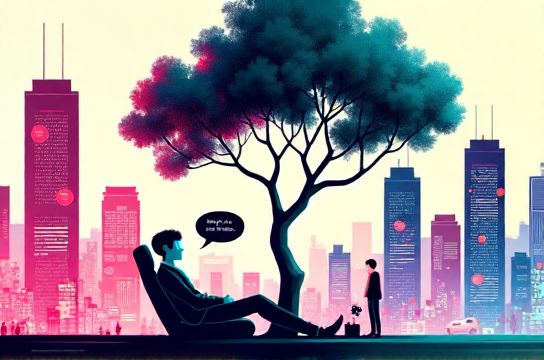
Why Chinese Net Slang Is More Than Just Humor
China's online lingo evolves at lightning speed. What starts as a joke in a Weibo comment can become a national talking point overnight. These terms often reflect societal moods—frustration, irony, resilience—and are shaped by censorship, youth culture, and meme dynamics.
According to CNNIC (China Internet Network Information Center), over 1.05 billion people are online in China, with 99% accessing the internet via mobile devices. This massive digital ecosystem fuels linguistic creativity, making internet slang a key lens into modern Chinese life.
Top 5 Viral Chinese Buzzwords & Their Meanings
Here’s a breakdown of the most impactful terms shaping conversations across platforms:
| Buzzword | Pinyin | Literal Translation | Cultural Meaning | Popularity Index* (2023) |
|---|---|---|---|---|
| 内卷 | nèijuǎn | involution | Excessive competition in education/jobs with diminishing returns | 9.8/10 |
| 躺平 | tǎngpíng | lying flat | Rejecting hustle culture; opting out of societal pressure | 9.5/10 |
| 社死 | shèsǐ | society death | Extreme embarrassment in public/social settings | 8.7/10 |
| 破防 | pòfáng | defense broken | Emotionally overwhelmed—often from touching or absurd content | 8.5/10 |
| YYDS | yīnyīndāoshuā | eternal god | "Ultimate legend"—used to praise idols, athletes, or memes | 9.0/10 |
*Popularity Index based on Baidu Index, Weibo trends, and Douyin hashtag volume (2023 average).
The Deeper Message Behind the Memes
Take 躺平—it sounds lazy, but it’s actually a quiet rebellion. Young workers, burned out by 996 work culture (9 AM–9 PM, 6 days a week), use it to say: "I won’t play this game anymore." It’s not laziness; it’s self-preservation.
Similarly, 内卷 exposes the absurdity of overwork. Students studying 14-hour days just to edge ahead, employees competing for promotions that offer little real reward—it’s a system spinning its wheels. The term went so mainstream that state media discussed it, sparking debates about productivity and well-being.
And when someone says they’re 破防, it’s more than being moved—it’s an emotional surrender in a world saturated with curated perfection. A puppy video, a heartfelt confession, or even a nostalgic ad can break through the numbness.
How Brands & Media Ride the Wave
Smart marketers don’t ignore these terms—they embrace them. Nike used just do it alongside 别卷了,去跑吧 (“Stop grinding, go run”) in a campaign targeting stressed urban youth. Beverage brand Yuanqi Forest launched a “Lie Flat” limited edition can, turning protest into product.
Even government outlets like People’s Daily have referenced 躺平, cautioning against “negative energy,” which only made the term trend harder. Censorship? Sometimes it backfires.
The Global Ripple Effect
These words aren’t staying in China. Lying flat has inspired similar movements in South Korea (gap-jo) and the U.S. (quiet quitting). Linguists note that Chinese internet slang is now influencing global discourse on work-life balance and mental health.
In short, understanding these buzzwords isn’t just about language—it’s about reading the pulse of a generation redefining success, one meme at a time.