
How Meme Culture China Shapes Online Humor Today
- Date:
- Views:316
- Source:The Silk Road Echo
In the wild, fast-scrolling world of Chinese social media, memes aren’t just jokes—they’re a cultural revolution. From diaosi (loser) self-roasting to sarcastic pandas and absurdly relatable office worker rants, meme culture in China has evolved into a powerful form of digital expression, blending satire, survival humor, and subtle social commentary.
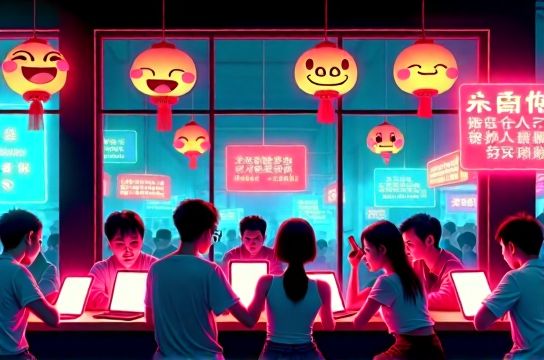
Unlike Western meme trends that often rely on pop culture references, Chinese netizens craft humor within tight boundaries—censorship, internet regulations, and rapidly shifting slang. This has led to a uniquely creative ecosystem where absurdity becomes armor, and laughter is resistance.
Take the rise of “Emo Frog” (丧蛙) or the ever-suffering Baozi Dog. These characters don’t just make people laugh—they echo real-life struggles: work stress, housing pressure, and the grind of urban life. In fact, a 2023 survey by iResearch found that 68% of Chinese users aged 18–35 engage with memes daily, primarily on platforms like Weibo, Douyin, and Xiaohongshu.
Why Chinese Memes Hit Different
Chinese meme culture thrives on linguistic play. Homophones, puns, and internet slang like “wo ta ma le” (I’m done!) or “ren jian di yu” (life is hell) turn frustration into viral content. Add emojis, distorted images, and AI-generated faces, and you’ve got humor that’s both chaotic and clever.
But it’s not all fun. Memes often serve as coded critiques. For example, the phrase “996 is a blessing”—mocking the grueling 9 AM to 9 PM, 6 days a week work schedule—spread like wildfire during labor debates. It was sarcasm disguised as gratitude, shared millions of times before getting censored.
Meme Platforms & Popularity Stats
Here’s where different memes shine across China’s digital landscape:
| Platform | Primary Meme Style | Monthly Active Users (2024) | Viral Potential |
|---|---|---|---|
| Satirical text + image macros | 580 million | ★★★★☆ | |
| Douyin | Video skits + audio remixes | 750 million | ★★★★★ |
| Xiaohongshu | Lifestyle satire + Gen-Z irony | 300 million | ★★★☆☆ |
| Bilibili | Anime edits + niche community memes | 315 million | ★★★★☆ |
As shown, Douyin leads in virality thanks to short-form video algorithms that boost absurd, repetitive, and emotionally exaggerated content. A single 15-second clip of someone crying while eating instant noodles can spawn thousands of remixes—becoming a symbol of youth burnout.
The Business of Laughter
Brands have caught on. Companies like Luckin Coffee and Li-Ning now use meme language in ads, hiring ‘meme editors’ to stay relevant. In 2023, Luckin’s “Tears Before Coffee” campaign—featuring exhausted office workers—went viral, boosting sales by 12% in Q2.
Meanwhile, grassroots meme creators are monetizing through WeChat mini-programs and NFT-inspired digital collectibles. One anonymous artist sold 10,000 units of a pixelated ‘Crying Baozi Dog’ sticker pack—for 6 RMB each—earning over 60,000 RMB in a week.
What’s Next?
As AI tools spread, expect more algorithm-generated absurdism. But the soul of Chinese meme culture remains human: raw, resilient, and darkly funny. It’s not just about laughs—it’s about surviving the chaos together, one ridiculous post at a time.