
Meme Culture China How Viral Humor Spreads Fast
- Date:
- Views:300
- Source:The Silk Road Echo
Let’s be real—meme culture in China isn’t just funny, it’s a full-blown social phenomenon. While Western memes ride on Twitter and Instagram, Chinese netizens have built their own hilarious universe across WeChat, Weibo, and Douyin. And trust us, it spreads faster than your last cold.
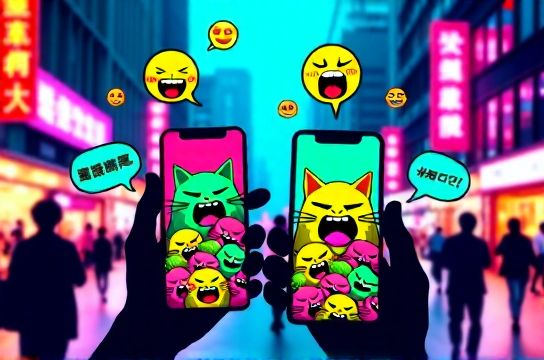
So how does meme culture in China go from zero to viral in under 24 hours? Buckle up—we’re diving deep into the digital chaos with data, trends, and a splash of humor.
The Engine Behind the Laughter
In China, over 1.05 billion people are online (CNNIC, 2023), and nearly all of them are scrolling through memes daily. Platforms like WeChat Moments and Weibo act as meme incubators. A single post can hit millions of views within hours, especially if it hits that sweet spot of sarcasm, satire, or absurdity.
Unlike Western memes that often rely on image macros, Chinese memes thrive on contextual humor—think puns in Mandarin, celebrity roast edits, or animated stickers known as baozou manhua. These aren’t just jokes—they’re cultural commentary disguised as giggles.
Top Platforms Fueling Meme Virality
Here’s where the magic happens:
| Platform | Monthly Active Users (Millions) | Meme Share Rate | Peak Sharing Time |
|---|---|---|---|
| 1,300 | 68% | 7–9 PM | |
| Douyin (TikTok China) | 750 | 85% | 12–2 AM |
| 580 | 72% | 6–8 PM | |
| Bilibili | 330 | 79% | 8–11 PM |
As you can see, Douyin leads in meme share rate—short videos with exaggerated facial expressions or parody skits dominate feeds. But WeChat? It’s the stealth bomber of meme distribution. One forwarded chat group can ignite a nationwide joke avalanche.
Cultural Codes & Censorship Dance
Now, here’s the twist: China’s internet has rules. Sensitive topics get filtered fast. So how do memes survive? They get creative.
Netizens use homophones, surreal imagery, or even food metaphors to slip past censors. For example, calling someone a “prawn” (虾) sounds like “xia,” a slang for someone acting weird—innocent seafood, spicy subtext.
This linguistic ninja skill makes Chinese memes not just funny but resilient. They evolve quickly, mutate into new forms, and spread like digital guerrillas.
Memes That Broke the Internet (In China)
- “Emotional Support Duck” – A yellow rubber duck with sad eyes became a symbol of Gen Z burnout. Merch sold out in days.
- “Lying Flat Frog” – A lazy cartoon frog promoted the anti-hustle movement. Over 2.3 billion views on Douyin.
- “Ge You Slouch” – A still from a 1990s sitcom showing actor Ge You lying lazily on a couch. Still used today to express exhaustion.
These aren’t just jokes—they’re emotional outlets in a high-pressure society.
Why This Matters Beyond the LOLs
Meme culture in China reflects public sentiment. During economic stress, self-deprecating humor spikes. When policies change, satire surfaces—veiled, clever, but unmistakable.
Brands are catching on too. Companies like Xiaomi and Li-Ning now use meme-inspired ads to connect with younger audiences. Authenticity wins—and memes are the ultimate currency of relatability.
Final Thoughts: More Than Just a Laugh
Meme culture in China is fast, fierce, and freakishly smart. It’s not just about going viral—it’s about surviving the noise, speaking truth through laughter, and building community one sticker at a time.
So next time you see a weird duck or a slouching cartoon, don’t just laugh. Pay attention. The internet is talking—and it’s hilarious, heartbreaking, and utterly human.