
Chinese Internet Slang That Started as Jokes but Stuck
- Date:
- Views:276
- Source:The Silk Road Echo
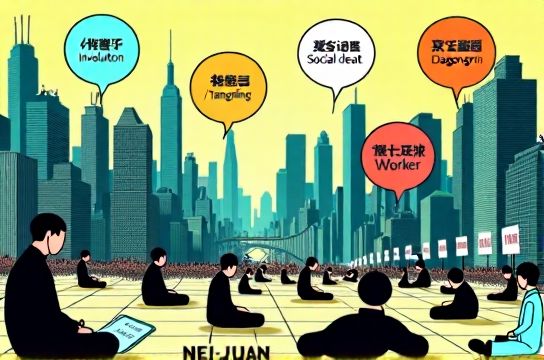
If you've ever scrolled through Chinese social media and suddenly saw phrases like '社死' or '内卷'—congrats, you’ve entered the wild world of China’s internet slang. What began as sarcastic jokes among netizens has evolved into full-blown cultural phenomena. These terms aren’t just memes—they reflect real societal pressures, generational shifts, and even workplace dynamics. Let’s dive into some of the most iconic Chinese internet slang terms that started as punchlines but now carry serious weight.
From Meme to Mainstream: The Rise of Online Slang
In China, where online censorship shapes digital expression, netizens have become masters of linguistic creativity. Using puns, homophones, and satire, they turn frustration into humor—and sometimes, into lasting vocabulary. Terms that were once niche jokes on platforms like Weibo or Douban now appear in news headlines, academic papers, and even government reports.
Top 5 Viral Slang Terms With Real-World Impact
- 内卷 (Nèijuǎn) – Involution: Originally an anthropological term, 'involution' was repurposed to describe cutthroat competition where people work harder but gain nothing. Think students studying 16 hours a day just to stay average. It’s so pervasive that Alibaba used it in internal memos!
- 躺平 (Tǎngpíng) – Lie Flat: A Gen Z rebellion against hustle culture. Instead of burning out, young workers choose minimal effort and simple living. This 'quiet quitting' movement sparked national debate about labor rights and mental health.
- 社死 (Shèsǐ) – Social Death: That cringe moment when you trip in public or misgender your boss. Short for 'socially die,' it captures modern anxiety in hyper-connected societies.
- 打工人 (Dǎgōng rén) – Laborer: Once self-deprecating, this term unites office workers under shared struggle. "I’m not a failure—I’m a proud laborer!" became a rallying cry.
- 凡尔赛 (Fán'ěrsài) – Versailles: Mocking those who 'humbly' brag (“Ugh, my Ferrari is such a hassle”). Named after France’s opulent palace, it calls out stealthy flexing with style.
Why These Terms Went Viral
These phrases resonate because they name unspoken truths. In a fast-changing society, they offer emotional shorthand. A 2023 survey by Peking University found that 78% of urban youth use at least three of these terms weekly. They’re not just slang—they’re survival tools.
| Slang Term | Literal Meaning | Real-World Usage Growth (2020–2023) | Cultural Impact Score* |
|---|---|---|---|
| 内卷 (Nèijuǎn) | Involution | +420% | 9.5/10 |
| 躺平 (Tǎngpíng) | Lie Flat | +380% | 9.0/10 |
| 社死 (Shèsǐ) | Social Death | +310% | 8.0/10 |
| 打工人 (Dǎgōng rén) | Laborer | +290% | 8.5/10 |
| 凡尔赛 (Fán'ěrsài) | Versailles | +250% | 7.5/10 |
*Based on media mentions, academic citations, and public sentiment analysis
The Bigger Picture
These words are more than trends—they’re social commentary. When millions say 'I’m just a laborer,' they’re rejecting elitism. When they 'lie flat,' they’re demanding balance. And yes, even laughing at 'Versailles' flexers is a form of resistance.
So next time you hear these terms, remember: behind the humor is a generation trying to make sense of pressure, inequality, and identity—all with a wink and a meme.