
How Travel Shopping Influences Chinese Internet Slang
- Date:
- Views:324
- Source:The Silk Road Echo
If you've scrolled through Chinese social media lately, you might've noticed phrases like '人山人海' (crowd like mountains and seas) or '买爆了' (bought it all out) popping up — especially around holidays. But here's the twist: many of these viral expressions aren’t just random jokes. They’re born from real travel shopping chaos, and they’re reshaping how young Chinese netizens talk online.
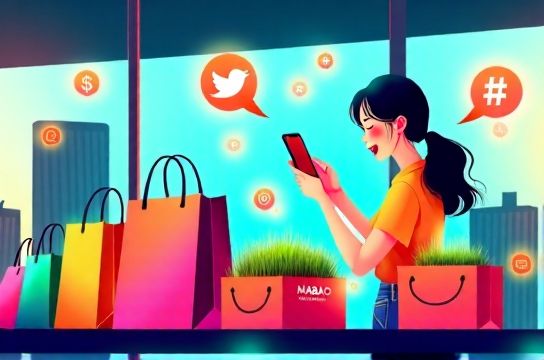
The Mall-to-Meme Pipeline
Every year during Golden Week or Lunar New Year, millions of Chinese tourists flood duty-free shops in places like Hainan, South Korea, and Paris. The result? Sold-out Chanel lipsticks, queues wrapping around Louis Vuitton stores, and fans live-streaming their shopping hauls. This retail frenzy doesn’t just move products — it moves language.
Take the phrase '剁手族' (duò shǒu zú), literally 'chopping-hand tribe'. It started as a self-deprecating joke about overspending — 'I should cut my hands off for buying so much!' Now, it’s shorthand for anyone on a shopping spree, especially during travel seasons.
Data Doesn’t Lie: When Spending Meets Slang
A 2023 report by iiMedia Research shows that over 68% of Chinese consumers aged 18–35 made at least one luxury purchase while traveling. And guess what? Nearly half of them used internet slang to describe the experience online.
| Slang Term | Literal Meaning | Origin Context | Usage Growth (2020–2023) |
|---|---|---|---|
| 买爆了 (mǎi bào le) | Bought it all out | Duty-free store sellouts | +240% |
| 剁手 (duò shǒu) | Chop hands | Overspending regret | +180% |
| 种草 (zhǒng cǎo) | Plant grass | Travel influencers promoting items | +310% |
| 拔草 (bá cǎo) | Pull grass | Finally purchasing recommended item | +150% |
As you can see, terms rooted in travel shopping aren’t just trendy — they’re exploding in usage. '种草', for example, comes from the idea that influencers 'plant a desire' like seeding grass. Once you buy it? You’ve 'pulled it out'.
Why It Matters Beyond the Meme
This isn’t just cute wordplay. These slang terms reflect deeper cultural shifts: the rise of experiential spending, the power of peer influence, and the blending of physical travel with digital identity. When someone says '我在三亚种草了大牌口红' ('I got hooked on luxury lipstick in Sanya'), they’re not just bragging — they’re sharing a lifestyle narrative.
Brands are catching on fast. Duty-free retailers in Haikou now use '买爆了' in ads. TikTok influencers tag '剁手清单' (chopping-hand checklist) on shopping vlogs. Language becomes marketing, and marketing fuels more language.
The Takeaway
Next time you hear a weird Chinese internet phrase, ask: was this born in a mall? Chances are, yes. Travel shopping isn’t just about bags and makeup — it’s a cultural engine driving digital expression. And as long as Chinese tourists keep swiping cards abroad, expect the slang to keep evolving — one impulse buy at a time.