
How Meme Culture China Reflects Youth Expression Today
- Date:
- Views:241
- Source:The Silk Road Echo
In the digital age, meme culture in China has exploded from niche internet humor into a powerful form of youth expression. Far more than just funny images, Chinese memes—often called tucao (吐槽) or neitui (内推, slang for 'inner push' or sarcasm)—are a coded language that lets young people vent frustration, mock authority, and bond over shared struggles—all while dodging censorship.
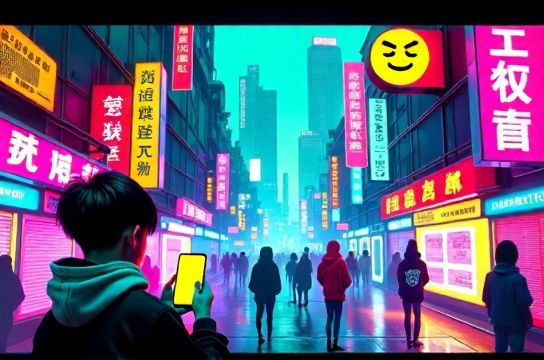
Take the viral 'Tang Ping' (躺平), or 'lying flat,' movement. What started as a sarcastic meme about refusing to hustle became a cultural reset. In a society where working 996 (9 AM–9 PM, 6 days a week) is common, 62% of Chinese millennials say they feel work burnout (Pew Research, 2023). Memes featuring pandas napping or office workers turning into potatoes went viral—not just for laughs, but as quiet rebellion.
Another hit? The 'Sister Feng' aesthetic: exaggerated duck faces, heavy filters, and ironic captions like 'I only date billionaires.' It’s not vanity—it’s satire. By mocking beauty standards and materialism, Gen Z flips the script on social pressure.
Why Memes Work: Humor as Armor
In a tightly regulated online space, memes use absurdity to slip past censors. A panda eating bamboo might seem harmless—but when captioned 'Me pretending to care about KPIs,' it becomes workplace critique. This linguistic creativity keeps conversations alive under radar.
Data shows just how embedded memes are in daily life:
| Metric | Value | Source |
|---|---|---|
| Monthly active meme users (under 30) | 480 million | iResearch, 2023 |
| Top platforms for meme sharing | Douyin, Xiaohongshu, Weibo | CNNIC Report |
| Favorites on 'Tang Ping' posts (2022–2023) | Over 1.2 billion | Weibo Data Hub |
| Youths who say memes help cope with stress | 74% | China Youth Daily Survey |
These numbers aren’t just impressive—they’re revealing. Memes have become emotional outlets, community builders, and even tools for soft activism.
The Evolution: From LOLs to Social Commentary
Early Chinese internet memes were simple—think pixelated cats or poorly translated English phrases. But today’s memes are layered. Take the rise of 'emo frogs' or crying anime boys. These characters don’t just express sadness—they symbolize alienation in a hyper-competitive society.
Brands have taken notice. Companies like Li-Ning and Perfect Diary now use meme-savvy campaigns, blending irony and authenticity to connect with younger audiences. One Douyin ad featuring a 'lazy employee frog' racked up 15 million likes—not because it sold shoes, but because it got the struggle.
The Future of Meme Culture in China
As censorship evolves, so do memes. Expect more visual metaphors, AI-generated absurdity, and cross-platform storytelling. But one thing won’t change: for China’s youth, memes aren’t just jokes. They’re identity, resistance, and relief—all wrapped in a GIF.
In a world where speaking freely is risky, laughing together might be the bravest thing young people can do.