
The Rise of Online Buzzwords China Can't Stop Sharing
- Date:
- Views:272
- Source:The Silk Road Echo
In the fast-paced digital world, China's internet culture is booming with creativity, and at the heart of it all? Online buzzwords. From hilarious slang to deeply sarcastic phrases, these viral expressions are more than just jokes — they're a reflection of society, youth frustration, and cultural shifts. Let’s dive into why China can’t stop sharing them.
What Are Chinese Internet Buzzwords?
Known as wangyu (网络用语), these are catchy, often humorous phrases that spread like wildfire across platforms like Weibo, Douyin (TikTok), and Xiaohongshu. Some start as memes, others from TV shows or political satire, but once they go viral, they become part of everyday conversation — even sneaking into news headlines and advertising.
Why Are They So Popular?
The secret lies in relatability. In a high-pressure society where young people face intense competition in jobs, housing, and relationships, humor becomes a coping mechanism. Buzzwords offer a shared language for expressing stress, irony, and rebellion — all wrapped in a punchline.
Top 5 Viral Buzzwords of 2024 (With Usage Stats)
Here’s a look at some of the most contagious terms sweeping China’s cyberspace this year:
| Buzzword | Literal Meaning | Cultural Context | Estimated Use (Monthly) |
|---|---|---|---|
| Tangping (躺平) | Lie flat | Rejecting hustle culture; opting out of societal pressure | Over 80 million mentions |
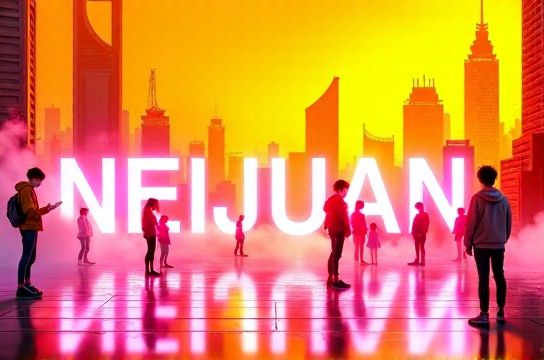
| Neijuan (内卷) | Involution | Hyper-competition with no real gain | 120 million+ posts |
| Woju le (我just笑) | I’m just laughing | Sarcastic response to absurd situations | 65 million uses |
| Xiaofuqi (小富即) | Rich mentality on a small salary | Living luxuriously despite low income | 40 million shares |
| Kengdi (坑爹) | 坑爹 = 'Screw me!' | Frustration over unfair systems or scams | 30 million+ comments |
How Do They Spread?
Platforms like WeChat Moments, Bilibili, and Douyin act as megaphones. A single influencer using neijuan in a skit can spark millions of remixes. Emojis, stickers, and hashtags amplify reach. And unlike Western memes that fade fast, many Chinese buzzwords evolve — gaining new layers of meaning over time.
The Dark Side: Censorship & Control
Not all buzzwords survive. Terms seen as politically sensitive — like early uses of tangping criticizing work culture — get scrubbed from feeds. The government monitors linguistic trends closely, and some phrases are quietly replaced with safer alternatives. Still, netizens adapt quickly, using puns, homophones, or English code-switching to bypass filters.
Buzzwords as Cultural Barometers
These aren’t just silly phrases. They’re social signals. When neijuan exploded, it highlighted burnout in education and tech sectors. Tangping sparked national debate on youth disengagement. Analysts now track linguistic trends to predict consumer behavior, public sentiment, even policy responses.
Final Thoughts
China’s online buzzwords are more than internet slang — they’re a digital diary of a generation navigating pressure, identity, and change. Whether you’re a marketer, researcher, or casual observer, understanding them offers a front-row seat to the soul of modern China.
So next time you see woju le, don’t just laugh. Ask: what’s really behind the joke?