
The Link Between Tourism and Online Buzzwords China
- Date:
- Views:308
- Source:The Silk Road Echo
If you've scrolled through Chinese social media lately, you’ve probably seen phrases like ‘lying flat’, ‘tang ping’, or ‘neijuan’ popping up—terms that reflect a generation exhausted by hustle culture. But here’s the twist: while young people claim to be 'opting out,' they’re actually traveling more than ever. Welcome to the paradox of modern Chinese tourism—a digital-driven escape fueled by online buzzwords and FOMO (fear of missing out).
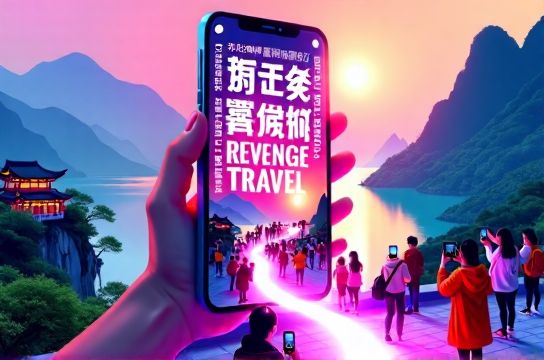
The Rise of ‘Revenge Travel’
After years of pandemic restrictions, China’s youth are making up for lost time. In 2023, domestic tourism hit 4.8 billion trips, a 93% jump from 2022 (source: Ministry of Culture and Tourism). International travel is rebounding too, with outbound trips reaching 87 million—still below pre-COVID levels but climbing fast.
This isn’t just vacation—it’s revenge travel: impulsive, experience-heavy, and heavily documented. And it all starts online.
Buzzwords That Shape Destinations
Chinese netizens don’t just travel—they perform travel. Platforms like Xiaohongshu (Little Red Book) and Douyin (TikTok) turn obscure villages into overnight sensations. A single viral post can skyrocket visitor numbers.
Take Cun Village in Guizhou. Once a quiet Miao ethnic settlement, it exploded after being tagged as ‘the real-life Avatar world’. Visitor count jumped from 20,000 monthly to over 300,000 in six months.
| Destination | Viral Phrase | Visitor Growth (6 Months) |
|---|---|---|
| Cun Village, Guizhou | 'Avatar World on Earth' | +1,400% |
| Tengchong, Yunnan | 'Slow Life Capital' | +680% |
| Altay, Xinjiang | 'China’s Iceland' | +920% |
From ‘Neijuan’ to Nature Escapes
Neijuan—meaning 'involution'—describes the burnout from relentless competition. As urban professionals cry ‘I’m done!’ they flee to places promising peace, authenticity, and Instagrammable sunsets.
Tengchong in Yunnan became the poster child for this trend. Promoted as the ‘slow life capital,’ it offers hot springs, tea fields, and zero office emails. Google searches for ‘Tengchong wellness retreat’ grew by 340% in 2023.
How Algorithms Fuel the Fire
It’s not just about pretty views—it’s about discoverability. On Xiaohongshu, users search hashtags like #治愈系旅行 (healing travel) or #逃离城市 (escape the city). Posts with these tags get 3x more engagement.
AI recommendation engines push content based on mood, not just location. Feeling stressed? The app serves up bamboo forests and mountain huts. Craving adventure? Hello, Gobi Desert camel treks.
The Dark Side of Viral Fame
But there’s a cost. Overtourism strains infrastructure. Locals in Cun Village complain of noise, litter, and rising rents. Some now say, ‘We wanted visitors, not an invasion.’
Authorities are responding. Guizhou capped daily entries at 5,000 and banned drone flights. It’s a balancing act: preserve culture while feeding the digital beast.
What’s Next?
The link between online buzz and tourism isn’t fading—it’s evolving. Expect more niche trends: ‘digital detox retreats,’ ‘ancestral village homestays,’ and ‘dark sky parks’ for stargazing without light pollution.
For travelers, the message is clear: your next trip might start with a meme, but the real magic happens offline—when you put the phone down and breathe.