
The Cultural Logic Behind Meme Culture China
- Date:
- Views:260
- Source:The Silk Road Echo
In the digital age, meme culture in China has evolved into a vibrant form of social expression—equal parts satire, creativity, and coded rebellion. Far from being just random internet jokes, Chinese memes are deeply rooted in the nation's unique sociopolitical environment, linguistic richness, and generational identity. Let’s dive into the cultural logic behind this phenomenon.
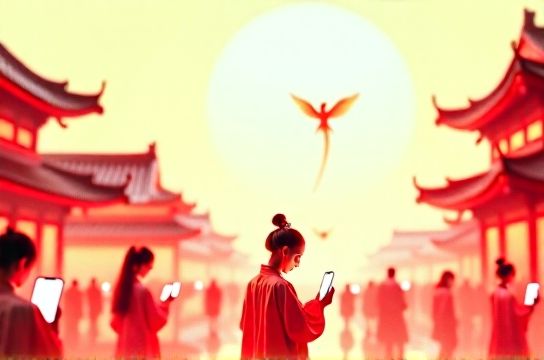
The Rise of the ‘Grass Mud Horse’
It all started around 2009 with the birth of the caonima (草泥马), or 'grass mud horse'—a homophonic pun for a vulgar phrase. This absurd creature became a symbol of resistance against online censorship. Users began creating animated videos, songs, and even an entire 'ecosystem' for the grass mud horse, turning it into a viral metaphor for freedom of speech.
What makes Chinese meme culture distinct is its reliance on wordplay and indirect expression. With strict content controls, netizens have mastered the art of subtext. Memes become linguistic camouflage—funny on the surface, but often layered with social commentary.
Data Snapshot: The Power of Visual Slang
According to a 2023 report by iResearch, over 78% of Chinese internet users aged 18–35 regularly use or share memes in daily chats. Platforms like Weibo, Douyin, and Bilibili are ground zero for meme creation.
| Platform | Daily Active Meme Users (Million) | Top Meme Type |
|---|---|---|
| 210 | Satirical images + text | |
| Bilibili | 180 | Anime-based remixes |
| Douyin | 350 | Voice-over skits & filters |
Why Do Chinese Memes Hit So Hard?
They’re not just about laughs—they reflect real societal tensions. Take the term neijuan (内卷), meaning 'involution' or cutthroat competition. It exploded as a meme theme during the 996 work culture debates. Office workers shared images of themselves as 'burnt-out dumplings' or used cartoon foxes wearing glasses to mock endless overtime.
Similarly, tan ping (躺平), or 'lying flat,' became a meme-fueled lifestyle statement against hustle culture. A simple image of someone lying on the floor with the caption 'I choose peace' resonated across millions.
The Language Lab: How Dialects & Puns Fuel Creativity
China’s linguistic diversity supercharges meme innovation. Cantonese, Shanghainese, and Sichuan dialects often sneak into memes, adding regional flavor and exclusivity. Homophones in Mandarin—like using '404' to imply censorship ('page not found')—are also widely exploited.
Memes act as a digital dialect—a secret handshake among the youth. They foster belonging while subtly critiquing authority.
Censorship & Creativity: A Love-Hate Dance
Rather than killing humor, censorship fuels it. The Great Firewall pushes creators to be more inventive. When direct criticism is blocked, absurdity becomes the weapon. Pandas crying over failed exams? A dig at education pressure. A dancing uncle with a wok? Commentary on state propaganda.
This cat-and-mouse game keeps meme culture dynamic and resilient.
Final Thoughts
Meme culture in China isn’t just entertainment—it’s a cultural barometer. It reveals how young people navigate identity, stress, and control in a rapidly changing society. Behind every laugh-out-loud image is a story of resistance, resilience, and remarkable creativity.
So next time you see a goofy panda or a screaming cat with bold Chinese text, remember: there’s more than meets the eye.