
Meme Culture China Shows Real Life Through Comedy
- Date:
- Views:290
- Source:The Silk Road Echo
In the digital age, Chinese meme culture has exploded across social media, turning everyday struggles into viral comedy gold. From office workers drowning in overtime to students cramming for exams, memes have become a mirror reflecting real life in China — with a hilarious twist.
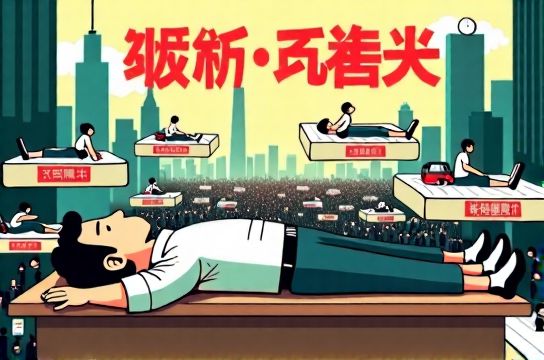
But it’s not just about laughs. Behind every shared image lies a deeper truth about society, stress, and survival in modern China. Let’s dive into how meme culture captures reality, why it resonates so deeply, and what the numbers say about its impact.
The Rise of Chinese Meme Culture
Platforms like Weibo, Douyin (TikTok), and Xiaohongshu are flooded with meme content. According to a 2023 report by QuestMobile, over 68% of young Chinese internet users engage with memes daily. That’s more than two-thirds of Gen Z and Millennials using humor as emotional armor.
Unlike Western memes that often rely on absurdity, Chinese memes are rooted in real-life experiences: the 996 work schedule, sky-high housing prices, parental pressure, and the endless grind of urban survival.
Why Memes Hit So Close to Home
Take the popular meme format “I’m just a little potato” (我只是一颗小土豆), used by people feeling powerless in a competitive society. Or “Lying flat” (躺平), which went global as a symbol of quiet resistance against burnout.
These aren’t just jokes — they’re cultural statements. A 2024 survey by Peking University found that 57% of white-collar workers identify with the ‘lying flat’ mindset at least occasionally. The pressure is real, and memes help people cope.
Data: How Memes Reflect Social Trends
Check out this breakdown of top meme themes and their real-world connections:
| Meme Theme | Real-Life Issue | Engagement Rate (Avg.) | Platform Popularity |
|---|---|---|---|
| Lying Flat (躺平) | Workplace Burnout | 12.4% | Weibo, Bilibili |
| Involution (内卷) | Hyper-Competition | 15.2% | Douyin, Zhihu |
| Little Potato (小土豆) | Social Inequality | 9.8% | Xiaohongshu, WeChat |
| Get Rich Quick (暴富梦) | Economic Pressure | 11.6% | Kuaishou, Weibo |
As you can see, the most engaging memes tackle the heaviest topics. Humor becomes a way to vent without breaking down.
The Language of Survival
What makes Chinese memes so powerful is their use of irony and self-deprecation. Saying “I’m already dead inside” after a 12-hour workday isn’t literal — it’s a cry for empathy wrapped in comedy.
This linguistic creativity keeps memes fresh and relatable. They evolve fast, often referencing trending news or policy changes. For example, when housing prices spiked in 2023, memes about “spending 6 generations’ savings on a tiny apartment” spread like wildfire.
Final Thoughts: More Than Just Jokes
Chinese meme culture isn’t just entertainment — it’s a form of social commentary. It gives voice to the voiceless, builds community among the stressed, and turns pain into punchlines.
So next time you see a meme about someone crying into their instant noodles, remember: it’s not just funny. It’s real.