
The Psychology Behind Meme Culture China's Popularity
- Date:
- Views:295
- Source:The Silk Road Echo
If you've scrolled through Chinese social media lately, you know—meme culture in China isn't just funny, it's everywhere. From Weibo to Xiaohongshu, from Douyin (China's TikTok) to WeChat moments, memes dominate online conversations. But why? What makes a simple image with bold text so powerful? Let’s dive into the psychology behind meme culture China’s skyrocketing popularity.
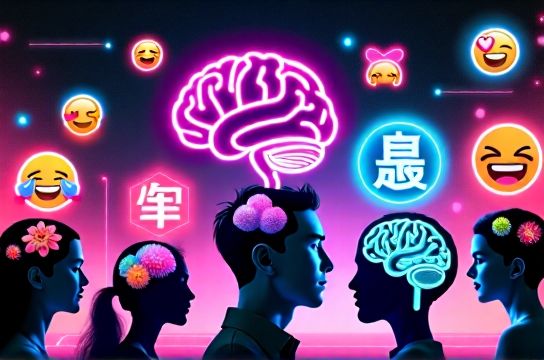
The Emotional Engine: Humor as a Coping Mechanism
In a fast-paced society where work pressure and urban stress are real, Chinese netizens turn to humor for relief. Memes act like digital therapy—light, shareable, and instantly gratifying. A 2023 survey by iResearch found that 78% of users aged 18–35 engage with memes daily, primarily to relieve stress.
Take the iconic 'Emotional Support Duck' trend or the sarcastic 'Lie Flat' (躺平) memes—these aren’t just jokes. They reflect societal attitudes, offering subtle commentary on overwork and life expectations. In psychological terms, this is called sublimation: turning frustration into creative expression.
Social Bonding Through Shared Laughter
Memes create in-groups. When you get the joke, you're in. This sense of belonging is crucial in a digitally crowded yet emotionally isolated world. Platforms like Bilibili thrive on niche meme communities—think anime parodies, office worker rants, or student struggles.
It's not just about laughs; it's about identity. As psychologist Dr. Liu Wei from Peking University notes: “Memes are modern-day hieroglyphs—they carry shared values, inside jokes, and cultural resistance.”
Viral Velocity: Why Some Memes Spread Like Wildfire
Not all memes go viral. So what makes some explode across platforms? The answer lies in cognitive fluency—simple ideas that are easy to understand, remember, and re-share. Add emotional punch (humor, irony, outrage), and you’ve got a recipe for virality.
Check out this breakdown of top-performing meme traits in China:
| Meme Type | Average Shares (per post) | Emotional Trigger | Platform Dominance |
|---|---|---|---|
| Lie Flat / Anti-Hustle | 12,400 | Relief, Rebellion | Weibo, Xiaohongshu |
| Douyin Dance Parodies | 89,000 | Humor, Imitation | Douyin, Kuaishou |
| Student Exam Stress | 6,200 | Empathy, Nostalgia | Bilibili, QQ Zone |
| Corporate Satire | 15,800 | Anger, Solidarity | WeChat, Zhihu |
As the data shows, memes tied to universal struggles—work, school, relationships—have the highest engagement. They resonate because they’re real.
Censorship & Creativity: The Balancing Act
Let’s be real: China’s internet has rules. But instead of killing creativity, censorship often fuels it. Netizens use puns, homophones, and absurd imagery to bypass filters. For example, 'Grass Mud Horse' (草泥马) sounds like a curse but means 'llama'—a classic case of linguistic rebellion.
This cat-and-mouse game actually boosts meme innovation. The more restricted the space, the more creative the escape.
Conclusion: More Than Just Jokes
Meme culture in China is a psychological phenomenon wrapped in pixelated images. It’s how people cope, connect, and quietly resist. Whether you're laughing at a lazy cat meme or nodding at a '996 work schedule' roast, you're part of a larger conversation.
So next time you share a meme, remember—it’s not just a joke. It’s a tiny act of digital survival.