
Analyzing Meme Culture China Through Social Media
- Date:
- Views:220
- Source:The Silk Road Echo
In the digital age, meme culture in China has exploded across social media platforms like Weibo, Douyin, and Zhihu. Far from just being internet jokes, Chinese memes are a vibrant reflection of societal attitudes, youth expression, and even subtle political commentary—all wrapped in humor and creativity.
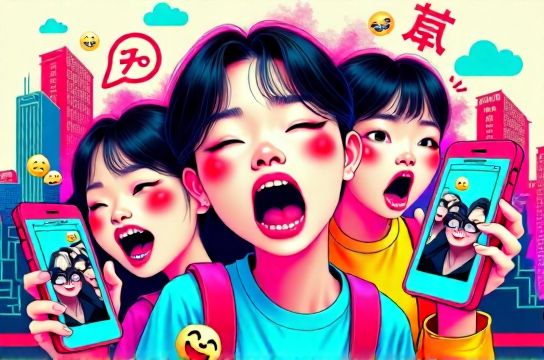
Unlike Western meme formats that often rely on image macros or viral videos, Chinese memes thrive on linguistic play, historical references, and platform-specific inside jokes. For example, the phrase 'Neijuan' (involution) became a meme to describe burnout in competitive work environments, while 'Tangping' (lying flat) symbolized passive resistance to societal pressure. These aren’t just slang—they’re cultural movements born online.
Let’s break down how meme culture in China functions across major platforms:
Top Platforms Driving Meme Trends
| Platform | Monthly Active Users (2024) | Meme Style | Example Meme |
|---|---|---|---|
| 580 million | Viral hashtags, satirical posts | #I'm not crying, my eyes are just watering# | |
| Douyin (TikTok) | 750 million | Video skits, audio remixes | "This is not my home" challenge |
| Bilibili | 315 million | Anime-inspired, niche communities | "Eren Yeager rage" edits |
| Zhihu | 130 million | Sarcastic Q&A, intellectual trolling | "How to lie flat effectively?" |
As you can see, each platform fosters its own meme ecosystem. Weibo acts like China’s Twitter—fast-paced and politically nuanced. A single post mocking corporate overtime culture can spark national debate. Douyin, meanwhile, turns everyday moments into comedy gold through sound bites and facial expressions. Remember the guy who said "I’m not here to make friends, I’m here to win"? That clip was remixed over 200,000 times.
What makes Chinese meme culture unique is its ability to dodge censorship with irony. Since direct criticism is risky, netizens use absurd metaphors. Take the phrase 'Grass Mud Ma' (a homophone for a vulgar insult), which evolved into an adorable alpaca mascot. It’s rebellion disguised as cuteness.
Also, memes in China often go meta. They don’t just comment on life—they comment on other memes. This self-referential layering creates deep community bonding. If you get the joke, you’re part of the club.
Brands have taken notice. Companies like Li-Ning and Pinduoduo now integrate trending memes into ads, boosting engagement by up to 40%. One campaign used the 'Tangping' theme but flipped it into 'Stand up and buy something!'—a cheeky nod that went viral.
Still, meme culture isn’t all fun. As algorithms push content faster, originality fades. Many memes today are recycled formats with minor tweaks. And let’s be real—some jokes punch down, targeting marginalized groups under the guise of humor.
So what’s next? Experts predict AI-generated memes will rise, especially with tools like Alibaba’s Tongyi enabling users to auto-create parody images. But authenticity might suffer. The soul of Chinese meme culture lies in its grassroots wit—the people’s way of saying, 'Yeah, life’s tough, but at least we can laugh.'
In short, if you want to understand modern China, stop reading the news. Scroll through Weibo. Watch a Douyin skit. Laugh at the absurdity. Because behind every meme is a story—and sometimes, a quiet revolution.