
Short Videos and the Evolution of Chinese Internet Slang
- Date:
- Views:251
- Source:The Silk Road Echo
In the fast-paced world of Chinese social media, short videos have become more than just entertainment—they're shaping the way people communicate. Platforms like Douyin (TikTok's Chinese counterpart), Kuaishou, and Bilibili are not only launching viral dances and comedy skits but also birthing a whole new language: Chinese internet slang. From quirky homophones to sarcastic memes, this digital lingo is evolving at lightning speed, and short videos are the engine behind it.
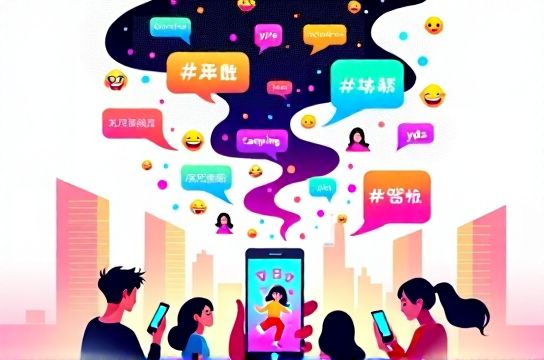
Why Short Videos? The Perfect Storm for Slang Creation
Short videos—often under 60 seconds—are designed for maximum engagement. They rely on catchy audio, expressive gestures, and punchy text overlays. This format naturally encourages linguistic creativity. A single phrase repeated in a trending video can explode into nationwide usage overnight.
Take the phrase “社死” (shè sǐ), short for “social death.” It went viral after a series of cringe-comedy clips showed people experiencing embarrassing public moments. Now, it’s used everywhere—from WeChat chats to news headlines.
A Closer Look: How Slang Spreads
Here’s how it typically works:
- A creator uses a funny or relatable phrase in a video.
- The algorithm picks it up, pushing it to millions.
- Viewers imitate it in comments and their own content.
- Within days, it becomes part of everyday speech.
This cycle happens faster than ever. According to QuestMobile, as of 2023, over 780 million Chinese users watch short videos daily. That’s a massive audience primed to adopt new expressions.
Popular Slang Terms Born from Short Videos
Let’s break down some of the most influential terms and their origins:
| Slang Term | Literal Meaning | Origin/Usage | Popularity Index* |
|---|---|---|---|
| 内卷 (nèi juǎn) | Involution | Originally academic; now describes workplace burnout. Trending in satirical office-life skits. | 9.5/10 |
| 躺平 (tǎng píng) | Lying flat | Movement against overwork. Popularized by deadpan monologues on Douyin. | 9.0/10 |
| 破防 (pò fáng) | Break defense | Emotional breakdown. Used in heartfelt confession videos. | 8.7/10 |
| yyds (永远的神) | Eternal god | Abbreviation from live-stream praise. Now used for anything awesome. | 9.8/10 |
*Popularity Index based on Baidu Index and Weibo Trends, Q2 2023
Cultural Impact: More Than Just Jokes
This isn’t just about fun and games. These slang terms reflect real social sentiments. 躺平, for example, signals a generational pushback against relentless work culture. Meanwhile, 内卷 has entered academic papers and policy discussions.
Even traditional media now uses these expressions. CCTV once opened a segment with “家人们,yyds!” (“Folks, you’re the best!”) to connect with younger viewers.
The Future of Digital Dialects
As AI-generated content and voice filters rise, we might see even more experimental language—like robotic tones mimicking emotions or AI avatars coining new phrases.
Still, the heart of this evolution remains human: real people expressing real feelings in clever, concise ways. Short videos give them the stage—and the microphone.
So next time you hear “破防了” or see someone say “我emo了” (“I’m feeling low”), remember: it probably started with a 15-second clip that made millions laugh, cry, or nod in solidarity.