
A Guide to Explaining Chinese Buzzwords Clearly
- Date:
- Views:241
- Source:The Silk Road Echo
Ever scrolled through a Chinese social media feed and felt like everyone’s speaking a secret code? You’re not alone. From dazi to involution, Chinese internet slang is evolving faster than anyone can keep up. But don’t sweat it—we’ve got your back. In this guide, we’ll break down the most viral Chinese buzzwords with clarity, context, and a dash of humor.
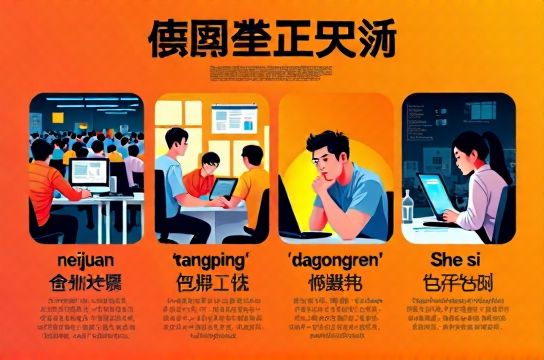
Why Chinese Buzzwords Matter
Chinese netizens are creative geniuses when it comes to language. With censorship and cultural nuance shaping online expression, buzzwords often carry layered meanings—sarcasm, satire, or subtle social critique. Understanding them isn’t just fun; it’s key to grasping modern Chinese youth culture.
Top 5 Must-Know Chinese Buzzwords in 2024
Let’s dive into the linguistic time capsule. These terms aren’t just trending—they reflect real societal shifts.
| Buzzword | Literal Meaning | Cultural Context | Usage Example |
|---|---|---|---|
| 内卷 (Nèijuǎn) | Involution | Hyper-competition with no real gain | “Working 80 hours a week for a promotion? Total nèijuǎn.” |
| 躺平 (Tǎngpíng) | Lying flat | Rejecting societal pressure to overachieve | “I quit my job to grow tomatoes. It’s called tǎngpíng.” |
| 打工人 (Dǎgōngrén) | Working stiff | Sarcastic term for wage slaves | “Another Monday, another day as a dǎgōngrén.” |
| 社死 (Shèsǐ) | Social death | Extreme embarrassment in public | “Tripped in front of my crush—total shèsǐ moment.” |
| 破防 (Pòfáng) | Broke defense | Emotionally overwhelmed | “That puppy video made me pòfáng.” |
The Rise of 'Lying Flat' Culture
Tǎngpíng exploded in 2021 as a Gen Z rebellion against China’s grind culture. A 2023 survey by Peking University found that 62% of young professionals admitted feeling burned out. Instead of chasing promotions, many now opt for minimalism and mental peace. It’s not laziness—it’s self-preservation.
From Slang to Mainstream
Some buzzwords even make it into official discourse. Nèijuǎn was criticized by state media in 2022 for reflecting unhealthy competition. Meanwhile, brands like Xiaomi use dǎgōngrén in ads to appear relatable. Language evolves—and so does its power.
How to Use These Words Right
Context is king. Dropping shèsǐ in a serious meeting? Bad idea. Using pòfáng after a touching movie? Perfect. And remember: irony is everything. Saying “I’m such a dǎgōngrén” with a smile says you’re in on the joke.
So next time you see a meme about tǎngpíng or hear someone complain about nèijuǎn, you’ll know it’s more than slang—it’s a cultural heartbeat.