
The Role of Voice Filters in Chinese Live Streaming
- Date:
- Views:249
- Source:The Silk Road Echo
In the dazzling world of Chinese live streaming, where over 500 million users tune in monthly, standing out isn’t just an option—it’s survival. And one of the sneakiest, most effective tools? Voice filters. Yep, those playful audio effects aren’t just for fun—they’re reshaping how streamers connect, entertain, and even monetize.
Why Voice Filters Are Taking Over
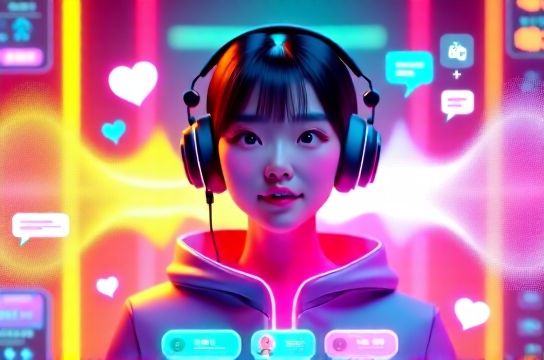
Chinese platforms like Douyin, Kuaishou, and Huya have turned live streaming into a cultural phenomenon. But with so much competition, streamers need every edge. Enter voice modulation: it lets hosts transform their voices into anything from a chipmunk to a deep anime villain—adding humor, mystery, or cuteness on demand.
According to iResearch China, nearly 68% of young streamers (ages 18–30) use voice filters regularly. Why? Because they boost engagement. A study by Tencent showed streams using voice effects saw up to 40% longer viewer retention and a 25% increase in gift donations.
The Psychology Behind the Pitch
Let’s get real: voice filters aren’t just tech gimmicks. They tap into something deeper—identity play. In a society where online personas are carefully curated, voice modulation allows users to explore different selves. A shy college student can become a confident virtual idol; a middle-aged vendor can sound like a futuristic robot selling skincare at midnight.
Platforms reward this creativity. On Kuaishou, streamers who use dynamic voice effects are 3x more likely to go viral during peak hours. It’s not magic—it’s algorithm-friendly content that keeps viewers hooked.
Data That Speaks Volumes
Check out this breakdown of voice filter usage across top Chinese platforms:
| Platform | Filter Usage Rate | Avg. Viewer Increase | Top Filter Type |
|---|---|---|---|
| Douyin | 72% | +38% | Cute (e.g., baby voice) |
| Kuaishou | 65% | +30% | Funny (e.g., robot, alien) |
| Huya (Gaming) | 58% | +22% | Echo/Demonic |
| Bilibili | 75% | +45% | Anime-style pitch shift |
As you can see, Bilibili leads the pack, where otaku culture and VTubers thrive. The anime-style pitch shift is king here, often paired with avatars for full virtual immersion.
Monetization Magic
Here’s the kicker: voice filters don’t just attract eyes—they open wallets. Streamers using character voices report higher tip rates because the novelty encourages spontaneous gifting. One Douyin host, known as ‘Fox Spirit Xiao Mei,’ uses a high-pitched fox-girl voice and pulls in over ¥80,000/month ($11,000) in gifts alone.
Brands are catching on too. During livestream sales, sellers use cute or authoritative voice filters to match product vibes—think a bubbly tone for toys, or a smooth robotic voice for smart gadgets. Conversion rates jump by as much as 18% when voice style aligns with brand image.
The Future Is Filtered
With AI advancements, we’re moving beyond preset effects. Real-time emotional modulation—where your voice auto-shifts based on mood or chat reactions—is already in beta on some platforms. Imagine your voice going deeper when someone sends a big gift, or squeaking with joy when fans flood the chat.
So whether you're a seasoned streamer or just dipping toes into China’s live streaming gold rush, don’t underestimate the power of a well-placed voice filter. It’s not about hiding your voice—it’s about amplifying your presence.
In a digital arena where every second counts, sometimes the key to going viral is simply sounding… different.