
Animated Emoticons Shaping Tone in Chinese Messaging
- Date:
- Views:216
- Source:The Silk Road Echo
In China's fast-paced digital world, a simple text message isn't enough. Enter animated emoticons—the secret sauce that adds emotion, sarcasm, humor, and nuance to every chat. From WeChat to QQ, these tiny moving icons aren’t just cute; they’re cultural powerhouses shaping how over 1 billion users express themselves daily.
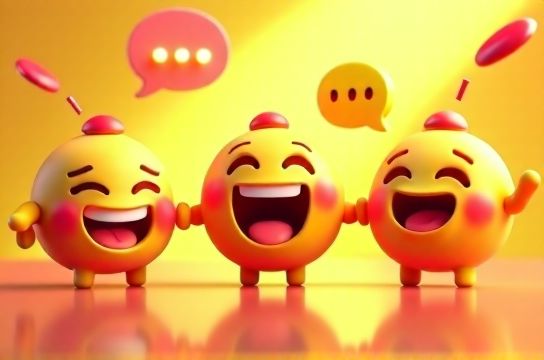
Forget emojis. In China, it’s all about the dòngtú (动图), or animated stickers. Unlike static Western emojis, Chinese animated emoticons are rich with context, often pulled from pop culture, memes, or custom-designed characters like Luotianyi or Momo the Monkey. They don’t just complement text—they replace it.
A 2023 Tencent report revealed that 89% of WeChat users send at least one animated sticker per conversation, with young adults aged 18–35 leading the trend. These animations help avoid misunderstandings in a language where tone is everything.
Why Animated Emoticons Rule Chinese Messaging
- Tone Clarification: Mandarin is tonal, and written text lacks vocal inflection. A sarcastic remark can easily be misread. An eye-roll GIF or a laughing panda saves the day.
- Emotional Depth: One tap sends a dancing cat doing backflips—no need to type “I’m thrilled!”
- Social Bonding: Sharing niche or trending stickers builds rapport, especially among Gen Z.
Top Platforms & Usage Stats
| Platform | Monthly Active Users (2024) | % Using Animated Stickers Daily | Popular Emoticon Themes |
|---|---|---|---|
| 1.3 billion | 76% | Cute animals, celebrities, sarcastic reactions | |
| 560 million | 82% | Anime, gaming, customizable avatars | |
| Douyin (TikTok China) | 720 million | 68% | Dance moves, viral challenges, branded content |
The market for digital stickers is booming. According to iiMedia Research, the Chinese emoticon economy was valued at $280 million in 2023, with creators earning royalties on popular packs. Some top designers make six figures annually—yes, people get paid to draw winking bunnies.
How Brands Are Jumping In
Smart marketers aren’t ignoring this trend. Companies like Alibaba and Xiaomi launch holiday-themed sticker packs during Singles’ Day or Lunar New Year. These aren’t just ads—they’re shareable, fun, and subtly boost brand loyalty.
For example, Starbucks China released a limited-edition emoticon set featuring a latte-sipping panda. It was shared over 2.3 million times in one week. That’s organic reach most campaigns dream of.
Tips for Using Animated Emoticons Like a Pro
- Know Your Audience: A boss might not appreciate a farting unicorn during a work chat.
- Timing Is Everything: Drop the perfect meme at the right moment, and you’re the hero of the group chat.
- Go Local: Imported emojis often miss the mark. Stick to locally designed animations for authenticity.
In short, animated emoticons are more than digital doodles—they’re the heartbeat of modern Chinese communication. Whether you're flirting, arguing, or celebrating, there’s a bouncing eggplant or crying kitten ready to speak for you.
So next time you message someone in China, skip the small talk. Send the dancing dumpling. You’ll fit right in.