
Gender Roles Debated Through Comedic Online Skits
- Date:
- Views:286
- Source:The Silk Road Echo
In the wild world of social media, where memes reign and TikTok trends come and go faster than you can say 'viral,' one topic keeps popping up with surprising staying power: gender roles. But instead of dry debates or academic lectures, people are turning to something way more entertaining—comedic online skits. These short, punchy videos blend humor with sharp social commentary, making them not just funny, but surprisingly thought-provoking.
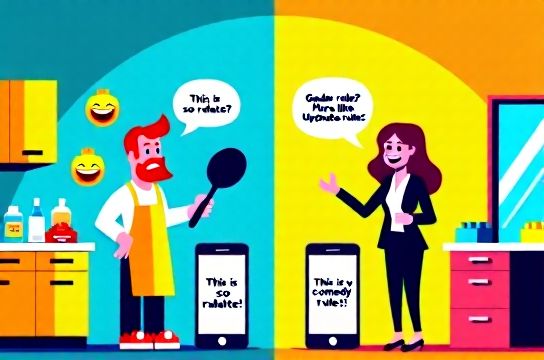
From exaggerated portrayals of 'alpha males' to over-the-top 'damsel in distress' tropes, creators are using satire to call out outdated stereotypes. And guess what? It’s working. A 2023 Pew Research study found that 68% of adults aged 18–29 say they’ve learned about gender issues through comedy content online. That’s huge!
Take YouTube sensation Mia Lin, whose sketch 'When He ‘Helps’ With Chores' racked up over 5 million views. In it, her boyfriend dramatically wipes a single spoon while she cooks, cleans, and folds laundry—all set to dramatic movie music. It’s ridiculous, relatable, and reveals real imbalance in household labor.
But why comedy? Because laughter disarms. When we’re laughing, we’re more open to ideas—even uncomfortable ones. And let’s be real: talking about gender norms can get heavy fast. Comedy lightens the load without watering down the message.
The Data Behind the Laughs
Check out this breakdown of how comedic skits influence perceptions on gender roles:
| Platform | Avg. Skit Views (Millions) | % Viewers Who Say It Changed Their View | Top Gender Topic |
|---|---|---|---|
| TikTok | 3.2 | 57% | Emotional Expression in Men |
| Instagram Reels | 2.1 | 49% | Women in Leadership |
| YouTube Shorts | 4.8 | 63% | Stay-at-Home Dads |
As you can see, YouTube Shorts dominate both in reach and impact. Why? Longer format (up to 60 seconds) allows for better storytelling. TikTok, though ultra-viral, often simplifies complex topics. Still, its strength lies in speed and shareability.
Why This Matters
These skits aren’t just jokes—they’re cultural mirrors. They reflect how we see ourselves and each other. And when done right, they challenge assumptions. For example, a popular skit series called 'Manly Man Mondays' mocks hyper-masculinity by showing a guy crying because his toast is cut diagonally. It’s absurd—but it makes you think: why do we police men’s emotions so much?
On the flip side, some critics argue these videos oversimplify. Not every joke lands, and sometimes satire gets mistaken for endorsement. That’s the tightrope creators walk—being funny without reinforcing the very stereotypes they mock.
The Future of Gender Comedy
As audiences demand more inclusive content, expect even bolder takes. We’re already seeing non-binary and LGBTQ+ creators stepping into the spotlight, using humor to explore identity in fresh ways. The goal isn’t to shame, but to shift—one laugh at a time.
So next time you scroll past a skit mocking 'typical dad energy' or 'girl dinner,' don’t just laugh and swipe. Pause. Think. Share. Because behind the punchline might be a powerful idea trying to break free.