
Youth Rebellion Through Humor in Chinese Memes
- Date:
- Views:215
- Source:The Silk Road Echo
In the digital age, memes have become more than just internet jokes—they’re a form of silent protest. In China, where online expression is tightly regulated, young people are turning to humor as a subtle yet powerful tool of rebellion. From sarcastic emojis to absurd animal photoshops, Chinese netizens craft memes that mock authority, dodge censorship, and express frustration—all under the radar.
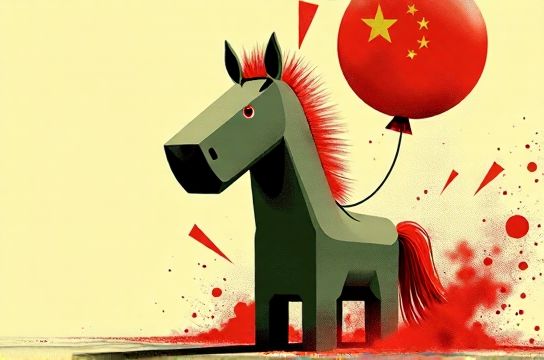
Take the infamous “diaosi” (屌丝) meme, once a self-deprecating term for socially marginalized youth. What started as a label of shame evolved into a cultural identity, with users ironically embracing the term through meme warfare. Paired with images of scrawny men in ill-fitting clothes or cartoon pandas scratching their butts, diaosi became a symbol of resistance against societal pressure to succeed.
Then there’s the rise of “Grass Mud Horse”—a phonetic pun on a Mandarin profanity. This absurd creature, often depicted as an alpaca, went viral in the late 2000s as part of the “Internet Vulgarity Campaign.” It wasn’t just funny; it was political satire disguised as silliness. According to a 2012 study by King et al., politically charged memes like this one were shared over 50 million times before being censored.
Here’s a breakdown of popular meme archetypes and their hidden meanings:
| Meme | Surface Meaning | Hidden Message | Virality Index* |
|---|---|---|---|
| Grass Mud Horse | Funny alpaca | Anti-censorship protest | 9.2/10 |
| Diaosi Man | Unsuccessful guy | Rejection of hustle culture | 8.5/10 |
| Baozou Big News | Angry cartoon rage | Outrage at social injustice | 7.8/10 |
| Salty Fish (Xianyu) | Laziness meme | Anti-work sentiment | 9.0/10 |
*Virality Index based on estimated shares, longevity, and cultural impact (2008–2015)
The genius lies in plausible deniability. When authorities crack down, creators can claim, “It’s just a joke!” This linguistic jujitsu allows dissent to thrive in plain sight. Platforms like Weibo and Douban became meme battlegrounds, where coded language and surreal imagery let youth vent without crossing red lines.
Consider the xianyu (salty fish) trend—a meme glorifying laziness. On the surface, it’s about napping all day. But beneath? A quiet rejection of China’s grueling 996 work culture (9 AM–9 PM, 6 days a week). In a 2021 survey by Zhihu, 68% of respondents aged 18–25 said they identified with the salty fish ethos at least occasionally.
Even state media hasn’t escaped parody. The phrase “positive energy”, heavily promoted by official outlets, has been ironically repurposed in memes showing zombies shuffling with fake smiles—highlighting the pressure to perform happiness.
So why do these memes matter? Because in a space where direct criticism is risky, humor becomes resistance. It builds community, spreads subversion, and keeps spirits alive. As one netizen put it: “We can’t say what we mean, so we say something ridiculous—and everyone gets it.”
In the end, Chinese meme culture isn’t just about laughs. It’s a linguistic rebellion, a coping mechanism, and a digital diary of youth discontent—all wrapped in a panda GIF.