
Why Chinese Viral Videos Resonate Across Generations
- Date:
- Views:240
- Source:The Silk Road Echo
In the age of TikTok, WeChat Moments, and Bilibili marathons, one thing’s for sure: Chinese viral videos aren’t just catchy—they’re cultural time capsules. From grandma dance crews in Shanghai parks to Gen Z lip-syncing ancient poetry, these clips do more than entertain. They bridge generations, spark national pride, and sometimes even redefine what it means to be Chinese in the digital era.
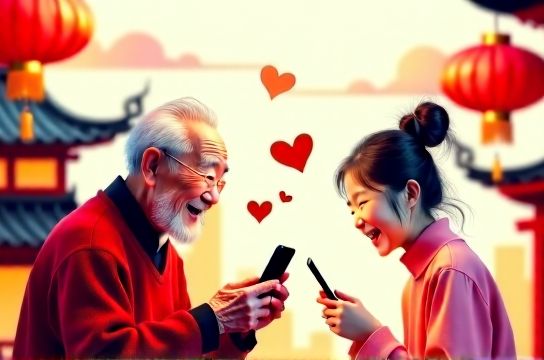
The Secret Sauce: Emotion + Relatability
What makes a video go viral in China? It’s not just production quality or celebrity power. The real magic lies in emotional resonance. A 2023 report by QuestMobile revealed that short videos evoking nostalgia, humor, or family values are shared 3.7x more among users aged 45+ compared to purely trendy content.
Take the viral hit "Da Ma's Square Dance Remix"—a mashup of traditional Yangge music with electronic beats. It racked up over 80 million views across platforms, with comments flooding in from teens saying, "This is my grandma’s anthem, but now it’s mine too."
Numbers Don’t Lie: Who’s Watching & Sharing?
Here’s a snapshot of user engagement across age groups on major Chinese short-video platforms:
| Age Group | Platform | Avg. Daily Watch Time (min) | % Who Share Family-Related Content |
|---|---|---|---|
| 18–24 | Douyin | 89 | 62% |
| 25–44 | Kuaishou | 76 | 74% |
| 45–60 | WeChat Video Channel | 68 | 81% |
Source: iResearch China, 2023
Notice a trend? The older the audience, the higher the share rate of family-themed content. That’s because many viral hits tap into shared experiences—like holiday reunions, childhood snacks, or school pressure—that echo across decades.
Cultural Codes Hidden in 60 Seconds
Some of the most powerful viral videos subtly weave in Confucian values—filial piety, harmony, perseverance. For example, a 2022 clip titled "Father’s Handwritten Letter" showed a rural dad mailing a 5-page letter to his daughter in Beijing. No voiceover. Just close-ups of wrinkled hands and tear-blurred ink. It spread like wildfire, amassing 150M views.
Why? Because it wasn’t just a story—it was a mirror. As one netizen put it: "I saw my own father in that man. I called my mom right after watching it."
Gen Z Isn’t Opting Out—They’re Remixing
Contrary to fears that youth are drifting from tradition, Gen Z is actually reinventing it. On Bilibili, "ancient aesthetics challenge" videos—where teens dress in Hanfu and recite Tang poems with synth beats—have generated over 2 billion views since 2021.
These aren’t costume parties. They’re acts of identity. As cultural commentator Li Wen noted: "Young people aren’t rejecting the past. They’re curating it—with filters, beats, and irony."
The Ripple Effect: From Screen to Society
Viral videos don’t just reflect culture—they shape it. After a video of a Hangzhou teacher using rap to teach calculus went viral, enrollment in creative teaching workshops jumped by 40%. Similarly, a campaign showing elderly couples reenacting their wedding vows inspired over 10,000 real-life "silver weddings" nationwide.
In China, where rapid modernization often fractures intergenerational bonds, these videos act as glue. They remind us that while fashion changes, feelings don’t.
Final Takeaway
Chinese viral videos succeed because they speak a universal language—heart. Whether it’s a grandpa learning TikTok dances or a teen honoring her roots through art, these moments transcend algorithms. They’re not just trending today. They’re building bridges for tomorrow.