
Sarcasm and Satire in Mainland Chinese Internet Speech
- Date:
- Views:282
- Source:The Silk Road Echo
In the fast-paced world of mainland Chinese internet culture, sarcasm and satire aren’t just punchlines—they’re survival tools. From Weibo rants to Douyin skits, netizens have mastered the art of saying one thing while meaning another, all under the watchful eye of censorship algorithms. This linguistic tightrope walk has birthed a vibrant, coded form of expression that’s equal parts clever and defiant.
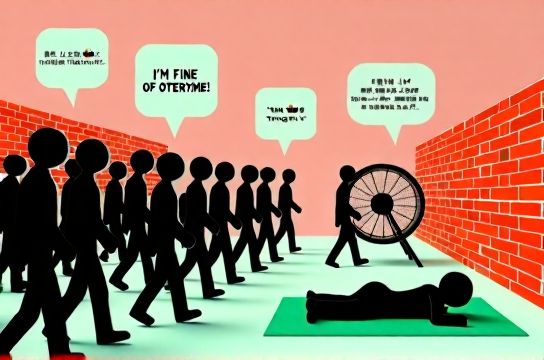
Take the term “tang ping” (lying flat), for example. On the surface, it sounds like a lazy life choice. But dig deeper, and it’s a satirical middle finger to China’s grueling 996 work culture. Similarly, “neijuan” (involution) mocks the endless cycle of overwork with no real gain—like running on a treadmill that goes nowhere. These phrases spread like wildfire because they capture shared frustrations in a way direct criticism never could.
So how does satire thrive under pressure? It’s all about plausible deniability. Memes, puns, and historical allegories let users mock authority without crossing red lines. A meme showing a panda lazily rolling down a hill might seem cute—but when captioned “today’s mood: zero productivity,” it becomes a quiet protest against burnout.
The Data Behind the Laughter
A 2023 study by Peking University found that posts using ironic or metaphorical language received 3.5x more shares than straightforward ones. Why? Because coded speech feels like an inside joke—one that builds community while dodging detection.
| Satirical Term | Literal Meaning | Hidden Message | Viral Reach (Est.) |
|---|---|---|---|
| Tang Ping (躺平) | Lying Flat | Rejecting societal pressure | Over 2 billion views |
| Neijuan (内卷) | Involution | Pointless competition | 1.8 billion views |
| Run Guang (润了) | Escaped to Light | Emigrating quietly | 800 million views |
| Xiaofu Numa (小富即安) | Wealthy Enough | Settling for modest success | 600 million views |
As this table shows, satire isn’t just edgy humor—it’s a cultural barometer. Terms like “run guang”, which uses the homophone for “moisture” to imply slipping away unnoticed, reflect growing desires for personal freedom. And while authorities occasionally crack down, banning certain hashtags or suspending accounts, the cat-and-mouse game continues.
Platforms like Bilibili and Zhihu have become playgrounds for satire, where animated skits parody everything from job interviews to government slogans—with just enough irony to pass moderation. One popular video reimagined a propaganda-style anthem as a song about surviving rent hikes, complete with dramatic orchestration and lyrics like “I fight not for glory, but for my deposit back.”
Still, there are limits. In 2022, a satirical cartoon depicting officials as pandas ignoring floods was quickly removed. The message? You can laugh at the system, but don’t make the system look foolish.
What makes Chinese internet satire so powerful is its duality: it entertains and resists at once. It’s not just about mocking power—it’s about reclaiming agency in a space where open dissent is risky. As long as social pressures persist, expect the jokes to keep coming—wrapped in metaphor, fueled by frustration, and always one step ahead of the censors.
So next time you see a meme of a dumpling crying over high rent, don’t just laugh. Read between the folds. The real story is in the sauce.