
Shopping Habits Influenced by Chinese Internet Slang Trends
- Date:
- Views:237
- Source:The Silk Road Echo
In today’s fast-moving digital era, Chinese internet slang isn’t just shaping conversations—it’s reshaping shopping habits. From ‘XSWL’ (笑死我了, ‘laughing to death’) to ‘ZQSG’ (真情实感, ‘genuine feelings’), these viral phrases are more than memes; they’re marketing gold. Brands that tap into this linguistic wave aren’t just selling products—they’re selling identity, humor, and connection.
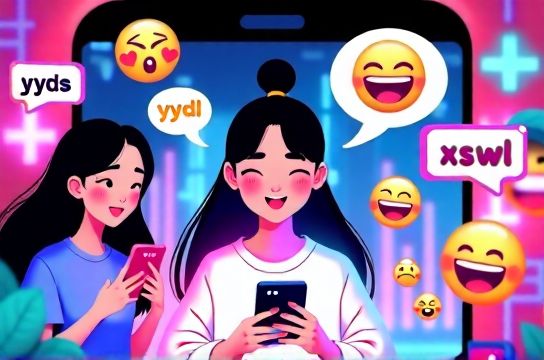
Take the rise of livestream commerce on platforms like Taobao and Douyin. Hosts don’t just pitch items—they perform. When a streamer shouts, ‘Buy it! YSYYDS!’ (永远的神, ‘eternal god’), viewers don’t just hear a slogan—they feel FOMO (fear of missing out). According to iiMedia Research, China’s livestream e-commerce market hit ¥1.2 trillion in 2023, with over 60% of buyers influenced by slang-laced commentary.
But why does internet slang work so well? It’s simple: authenticity. Young consumers—especially Gen Z—distrust traditional ads. They trust peer language. A 2023 survey by QuestMobile found that 74% of users aged 18–28 felt more positively about brands using trending slang in campaigns.
The Slang-to-Sale Pipeline
Let’s break down how specific slang drives real consumer behavior:
| Slang Term | Meaning | Brand Example | Sales Impact |
|---|---|---|---|
| NV7 | ‘No. 7’ – Refers to Pechoin’s No. 7 Whitening Serum | Pechoin | +300% sales spike during Double 11, 2022 |
| YYDS | ‘Eternal God’ – Ultimate praise | Lay’s China | Campaign engagement up 180% |
| Emo | Feeling down or nostalgic | Moly Viva (bubble tea) | Launched ‘Anti-Emo Kit’ – sold 50k units in 3 days |
| Danshen | ‘Single life pride’ – Celebrating solitude | Haoxiangni (instant noodles) | Targeted solo diners; +40% YOY growth |
As shown, slang isn’t random—it’s strategic. Pechoin didn’t just sell a serum; they made NV7 a cultural symbol. Moly Viva didn’t ignore sadness—they packaged comfort with humor.
How Brands Can Ride the Wave
Want to harness this trend? Here’s the playbook:
- Listen first: Use social listening tools to track trending terms on Weibo, Xiaohongshu, and Bilibili.
- Context matters: Don’t force slang. ‘Emo’ works for comfort food, not luxury watches.
- Collaborate with KOCs: Key Opinion Consumers (real users) use slang more authentically than celebrities.
Still skeptical? Consider this: Alibaba reported that products tagged with slang keywords saw 2.3x higher click-through rates during 2023 promotions. Language isn’t just communication—it’s conversion.
In short, Chinese internet slang isn’t a passing fad. It’s the heartbeat of youth culture—and smart brands are speaking fluent meme.