
Chinese Internet Slang as a Mirror of Social Sentiment
- Date:
- Views:224
- Source:The Silk Road Echo
If you've ever scrolled through Chinese social media and seen phrases like '社死' (she si – social death) or '躺平' (tang ping – lying flat), you're not alone. These aren’t just random buzzwords—they’re cultural snapshots, packed with emotion, rebellion, and dark humor. In fact, Chinese internet slang has become a powerful barometer of public sentiment, reflecting everything from economic stress to generational fatigue.
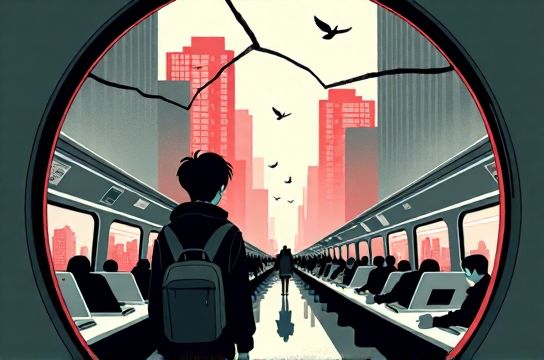
Why does this matter? Because behind every viral meme is a real societal pulse. Let’s dive into how these digital expressions reveal the unspoken truths of modern China.
The Rise of 'Lying Flat' and Other Digital Revolts
Take '躺平'—a term that exploded in 2021. It refers to rejecting the grind culture, opting out of the rat race, and choosing minimal effort to survive. It wasn’t just a trend; it was a protest against rising housing costs, job insecurity, and the 996 work culture (9 AM–9 PM, 6 days a week).
According to a 2022 survey by iResearch, over 67% of urban millennials in China reported feeling 'burned out,' and nearly 45% said they’ve considered 'lying flat' at some point. That’s not just slang—that’s a cry for systemic change.
Decoding the Emotions Behind the Memes
Another popular phrase: '内卷' (neijuan – involution). Originally an anthropological term, it now describes cutthroat competition where people work harder but gain nothing. Think students pulling all-nighters just to stay average, or employees staying late even when there’s no work.
And then there’s '社死', short for 'social death'—that cringe moment when you embarrass yourself online or IRL. But it’s more than awkwardness; it reflects anxiety in a hyper-surveilled society where one misstep can go viral.
| Slang Term | Literal Meaning | Social Implication | Popularity Index (2023) |
|---|---|---|---|
| 躺平 (tang ping) | Lying flat | Rejection of hustle culture | 8.7/10 |
| 内卷 (neijuan) | Involution | Excessive competition | 9.2/10 |
| 社死 (she si) | Social death | Fear of public shaming | 7.5/10 |
| 打工人 (da gong ren) | Working stiff | Worker identity & solidarity | 8.0/10 |
Why This Slang Spreads Like Wildfire
These terms thrive because they’re relatable. Platforms like Weibo, Douyin, and Xiaohongshu amplify them with memes, videos, and hashtags. For example, #躺平 had over 3.2 billion views on Weibo by mid-2023.
But here’s the twist: the government isn’t thrilled. Some terms have been censored or downplayed in state media, especially those challenging productivity norms. Yet, they persist—proof of their emotional resonance.
Final Thoughts: More Than Just Words
Chinese internet slang isn’t just playful language—it’s a coded diary of a generation navigating pressure, inequality, and identity. From 'lying flat' to 'involution,' these phrases capture what surveys and reports often miss: raw, human emotion.
So next time you see a meme about '社死' or '打工人,' remember—it’s not just a joke. It’s a mirror.