
Inside China's Online Buzzwords Evolution and Popularity
- Date:
- Views:225
- Source:The Silk Road Echo
If you've scrolled through Chinese social media lately, you’ve probably seen phrases like '社死' (she si – social death) or '躺平' (tang ping – lying flat) popping up everywhere. These aren’t just random slang—they’re cultural snapshots of a generation navigating pressure, humor, and identity in the digital age.
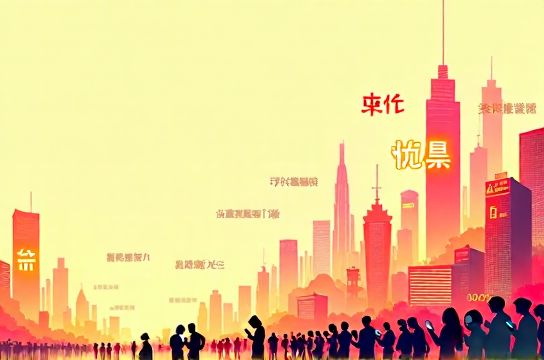
China’s online buzzwords, or wǎngluò cíhuì (网络词汇), evolve at lightning speed. What’s trending today might be obsolete next month. But behind the memes lies a fascinating linguistic evolution shaped by youth culture, censorship, and societal shifts.
The Birth of a Buzzword
Many Chinese internet slang terms originate from wordplay, abbreviations, or satire. For example:
- 内卷 (nèijuǎn) – literally 'involution' – describes intense competition with diminishing returns. It’s now used to critique overwork culture.
- 打工人 (dǎgōng rén) – 'laborer person' – a self-deprecating term for office workers, blending irony and solidarity.
- 破防 (pò fáng) – 'broke defense' – borrowed from gaming, now means emotional breakdown or being deeply moved.
These terms often emerge on platforms like Weibo, Douyin, and Xiaohongshu, where users remix language to bypass censorship or express shared frustrations.
Why Do They Go Viral?
A 2023 report by iResearch found that over 68% of Chinese netizens aged 18–35 use at least three slang terms daily. The key drivers?
- Relatability: Terms like 躺平 resonate with youth rejecting relentless hustle culture.
- Humor: Slang softens serious topics—e.g., 社死 turns embarrassment into a shared joke.
- Identity: Using buzzwords signals belonging to a digital in-group.
Buzzword Breakdown: Top 5 in 2024
| Buzzword | Literal Meaning | Cultural Context | Popularity Index* |
|---|---|---|---|
| 躺平 (táng píng) | Lying flat | Rejecting societal pressure to overachieve | 9.2/10 |
| 内卷 (nèi juǎn) | Involution | Hyper-competition in education/work | 8.7/10 |
| 社死 (shè sǐ) | Social death | Extreme embarrassment in public | 8.5/10 |
| 摆烂 (bǎi làn) | Playing rotten | Intentionally underperforming to cope | 7.9/10 |
| 电子榨菜 (diànzi zhàcài) | Electronic pickles | Entertainment consumed while eating alone | 7.6/10 |
*Based on Baidu Index and Weibo engagement data (Q1 2024)
Interestingly, some terms gain official recognition. In 2022, 'lying flat' was included in the Contemporary Chinese Dictionary, signaling its cultural impact.
The Future of Chinese Internet Language
As AI and short videos dominate, expect more visual slang—like emoji combos or voice memes. Yet, the core remains: these words are coping mechanisms, creative resistance, and digital poetry rolled into one.
So next time you see '绝绝子' (jue jue zi – extremely amazing) or '栓Q' (thank you, sarcastically), remember: it’s not just slang. It’s a window into China’s soul.