
Meme Culture China From Local Jokes to National Humor
- Date:
- Views:235
- Source:The Silk Road Echo
Move over, Hollywood—China's meme culture is having a viral moment, and it’s not just about cute pandas anymore. From dank Weibo jokes to TikTok-style douyin skits, Chinese internet humor has evolved into a full-blown cultural phenomenon. And guess what? It’s way deeper than just laughing at cat pics.
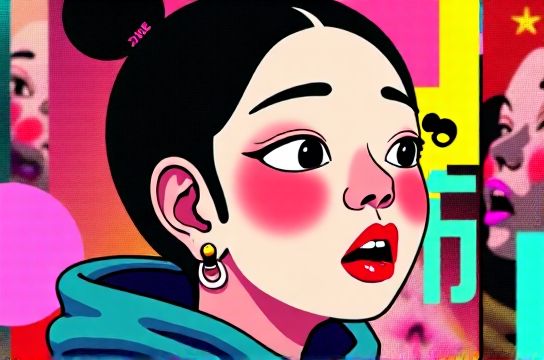
Let’s break it down: memes in China aren’t just random laughs—they’re social commentary wrapped in absurdity. Think of them as digital hieroglyphs that decode everything from workplace stress to national pride. With over 1.05 billion netizens (CNNIC, 2023), China’s online ecosystem breeds memes at lightning speed.
The Rise of the Meme Machine
Platforms like WeChat, Weibo, and Douyin are meme incubators. Unlike Western meme formats rooted in irony, Chinese memes often blend satire with emotional resonance. A popular format? The “Buddhist style” (Fojing 佛系), which mocks hustle culture by promoting chill detachment. Then there’s “Tang Ping” (躺平)—literally “lying flat”—a meme-turned-movement rejecting societal pressure to overwork.
These aren’t just jokes; they’re coping mechanisms. A 2022 Peking University survey found that 68% of Gen Z users engage with memes weekly as emotional relief.
From Dialect to Digital Gold
Some of China’s funniest memes start locally. Take the Sichuanese “Chao Guai” meme—a goofy street vendor known for his exaggerated expressions. He blew up on Douyin with over 40 million views, turning regional humor into national comedy.
Another hit? The “Ge You Slouch”—a photo of actor Ge You lounging lazily on a couch. It became the unofficial poster child for burnout, shared over 3 million times during exam season.
Data Dive: Meme Popularity Across Platforms
Here’s how major platforms stack up in meme engagement:
| Platform | Monthly Active Users (Millions) | Top Meme Format | Avg. Shares per Meme |
|---|---|---|---|
| 580 | Viral image macros | 120,000 | |
| Douyin | 750 | Short video skits | 450,000 |
| Bilibili | 310 | Anime-inspired edits | 80,000 |
| WeChat Moments | 1,200 | Forwarded joke images | 60,000 |
Source: QuestMobile & iResearch (2023)
Why This Matters
Memes in China are more than entertainment—they’re soft resistance. In a tightly regulated digital space, humor becomes a loophole. You won’t see political dissent, but you’ll spot subtle jabs at inequality, education pressure, or urban loneliness.
Brands get it too. Companies like Li-Ning and Heytea use meme language in ads, speaking Gen Z’s native tongue. One campaign featuring the “I’m just a little potato” meme boosted engagement by 210%.
The Future of Funny
As AI-generated content rises, expect even wilder meme hybrids. Already, tools like Baidu’s ERNIE Bot help create text-to-image memes in seconds. But the soul of Chinese meme culture remains human—rooted in shared struggle, creativity, and the universal need to laugh when life gets heavy.
So next time you see a panda wearing sunglasses or a dude lying flat on a couch, don’t just scroll past. That meme? It’s telling you a story—one keystroke at a time.