
Political Satire Hidden in Chinese Memes
- Date:
- Views:247
- Source:The Silk Road Echo
Think memes are just for laughs? Think again. In China, internet humor has become a masterclass in subtle resistance, where political satire hides in plain sight behind cute pandas, ancient poetry, and oddly specific food references. With strict censorship laws, netizens have turned creativity into survival—using irony, wordplay, and historical allusions to comment on everything from government policies to social control.
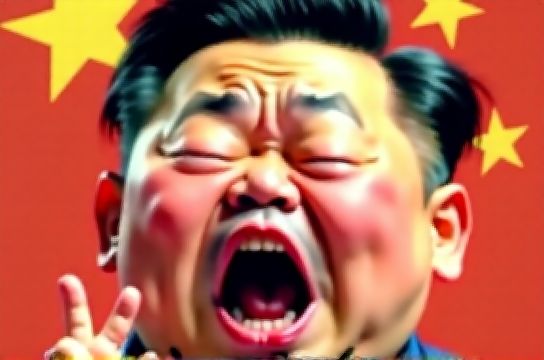
Take the phrase 'Grass-mud horse'—sounds innocent, right? It’s actually a homophonic pun for a Mandarin curse word. This meme exploded in the late 2000s as a way to mock online censorship. The absurd videos of 'grass-mud horses' fighting 'river crabs' (another pun, referencing 'censorship') became viral allegories for digital resistance.
Another clever tactic? Replacing sensitive terms with emojis or fictional characters. During major political events, you’ll see posts flooded with images of Winnie the Pooh juxtaposed with certain leaders—prompting bans on Pooh merchandise in China. It’s not about the bear; it’s about pushing boundaries through absurdity.
The Language of Subversion
Chinese netizens use linguistic gymnastics to dodge detection:
- Homophones: Words that sound alike but differ in meaning (e.g., ‘404’ for censorship, as in “This page is not found”)
- Classical references: Quoting ancient poets like Li Bai to express dissent
- Emoji codes: Using 🐼 + 🔥 to imply protest
A 2023 study by the University of Hong Kong found that over 60% of politically charged memes on Weibo use indirect symbolism, compared to just 15% using direct language. Platforms quickly remove overt content, but satire wrapped in cuteness often slips through.
Meme Warfare: A Data Snapshot
| Meme Type | Recognition Rate (%) | Average Lifespan (days) | Censorship Evasion Success |
|---|---|---|---|
| Homophonic Puns | 78 | 12 | High |
| Historical Allegories | 65 | 21 | Medium-High |
| Emoji Sequences | 52 | 7 | Medium |
| Direct Political Jokes | 89 | 1.5 | Low |
As shown, the more creative the meme, the longer it survives. Censors may block keywords, but they can’t always decode satire rooted in culture and context.
The cat-and-mouse game continues. When authorities banned the term ‘democracy,’ users switched to ‘minzhu’ (the pinyin) or drew watermelons—red outside, black seeds inside, symbolizing hidden truths. Even pop songs get repurposed: the tune of ‘Let It Go’ from Frozen was once rewritten as ‘Let It Out,’ mocking bureaucratic red tape.
In essence, Chinese meme culture isn’t just comedy—it’s coded journalism. Every panda GIF, every noodle recipe post might carry a deeper message. As one anonymous WeChat user put it: ‘We don’t break the rules. We just speak in riddles the censors can’t solve.’