
Social Commentary Through Chinese Memes
- Date:
- Views:207
- Source:The Silk Road Echo
In the digital age, memes have become more than just internet jokes—they're a cultural mirror. Nowhere is this truer than in China, where online humor dances carefully around censorship while delivering sharp social commentary. From diaosi ("underdog") to buddhist youth, Chinese netizens use irony, satire, and absurdity to voice frustrations about work pressure, housing costs, and societal expectations.
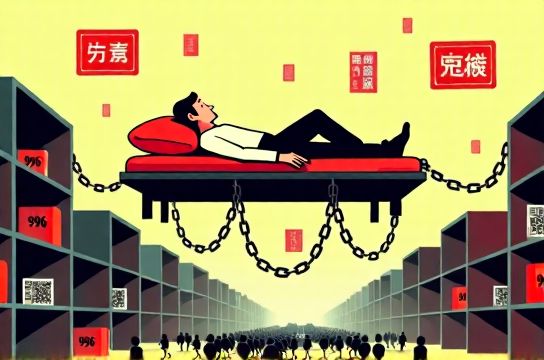
Take the rise of 'tang ping'—"lying flat." This meme trend, sparked by a 2021 post from a young man renouncing hustle culture, went viral across Weibo and Douban. It wasn’t just laziness; it was quiet resistance. According to a 2022 survey by Peking University, over 62% of urban millennials reported feeling "emotionally drained" by workplace demands. The 'lying flat' movement became a symbol of opting out—a peaceful protest in pajamas.
Another powerful example? The 'involution' (neijuan) meme. Originally an anthropological term, it now describes the exhausting rat race: working longer hours for no real gain. Office workers share memes of themselves as hamsters on endless wheels, captioned with sarcastic slogans like, "Today I added extra unpaid overtime to prove my dedication!" A 2023 Tencent report found that 78% of tech employees work over 10 hours daily, fueling the spread of such dark humor.
| Meme Term | Literal Meaning | Social Theme | Popularity Index (2023) |
|---|---|---|---|
| Tang Ping (躺平) | Lying Flat | Anti-hustle culture | 8.7/10 |
| Neijuan (内卷) | Involution | Workplace burnout | 9.2/10 |
| Frog in Hot Water (温水煮青蛙) | Boiling frog slowly | Gradual societal pressure | 7.5/10 |
| Buddhist Youth (佛系青年) | Buddha-like attitude | Emotional detachment | 6.8/10 |
Even seemingly silly memes carry weight. The frog in hot water metaphor—used to describe how people adapt to worsening conditions without realizing it—resonates deeply with those facing rising rents and stagnant wages. Meanwhile, Buddhist youth culture promotes emotional minimalism: "win or lose, I don’t care." It’s not apathy—it’s self-preservation.
These memes thrive on platforms like Bilibili and Zhihu, where users encode critiques in allegory and wordplay. For instance, calling someone a "well-cultivated hamster" subtly mocks corporate grind culture. Censors may miss the subtext, but the audience gets it instantly.
So why do these memes matter? Because in a tightly regulated information space, humor becomes resistance. They offer solidarity, reduce isolation, and let people say, "I’m not crazy—this system is." As one WeChat essay put it: "We laugh because crying won’t change anything—but laughing might make it bearable."