
The Role of Emojis in Chinese Internet Slang
- Date:
- Views:287
- Source:The Silk Road Echo
In today’s fast-paced digital world, emojis have become more than just cute little icons—they’re a language of their own. Nowhere is this truer than in China, where internet slang and emoji culture blend seamlessly to create a vibrant, expressive online identity. From WeChat chats to Douyin comments, emojis aren’t just decoration; they’re essential tools for tone, humor, and even social coding.
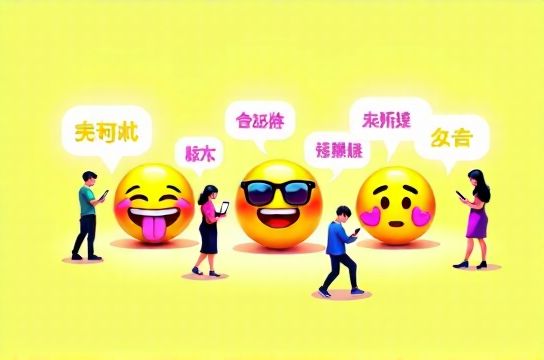
Did you know that over 78% of Chinese netizens use emojis daily in messaging apps? According to a 2023 survey by iResearch, emoji usage has skyrocketed among users aged 18–35, with platforms like WeChat and QQ leading the charge. But here’s the twist: in China, emojis often carry meanings far beyond their original intent—especially when mixed with local slang.
Take the 😂 emoji, for example. While Western users might see it as pure laughter, in Chinese contexts, it’s often used sarcastically or to downplay awkwardness. Similarly, the 💀 (skull) emoji doesn’t mean death—it’s slang for “I’m dead from laughing” or “this is so cringe it killed me.” And don’t even get started on 🍵 (tea)—in Chinese net speak, “drinking tea” means gossiping. So when someone says “来喝茶” (come drink tea), they’re not inviting you for chamomile—they’re dishing drama.
Here’s a quick breakdown of popular emojis and their slang meanings in China:
| Emoji | Literal Meaning | Slang Meaning in China | Common Usage |
|---|---|---|---|
| 😂 | Tears of joy | Sarcasm or nervous laughter | “You actually believed that? 😂” |
| 💀 | Skull | Dying from laughter or embarrassment | “Just saw my ex with a duck costume… 💀” |
| 🍵 | Tea | Gossip or drama | “Spill the tea! 🍵” |
| 🐶 | Dog | Self-deprecating humor (“I’m a dog” = I’m struggling”) | “Working 16 hours… I’m such a dog 🐶” |
| 🎉 | Party popper | Sarcastic celebration | “Another unpaid overtime night 🎉” |
What makes Chinese emoji slang so unique is its fusion with existing internet phrases. For instance, “社死” (shè sǐ), meaning “social death,” is often paired with 💀 or 😳 to emphasize secondhand embarrassment. Meanwhile, “躺平” (tǎng píng), or “lying flat,” a term symbolizing disengagement from societal pressure, is sometimes illustrated with 🛌 or 🐌 to suggest slow, passive resistance.
Brands and influencers have caught on fast. On Xiaohongshu and Weibo, savvy marketers use emoji codes to connect with younger audiences. A post about skincare might say “爆痘了😭👉💊🍵”, translating to “Breakout crisis 😭 → meds 💊 → let’s chat about it 🍵”. It’s concise, relatable, and dripping with Gen-Z attitude.
So whether you're navigating a WeChat group or trying to decode a cryptic Douyin comment, understanding emoji slang isn’t just helpful—it’s essential. In China’s digital landscape, a single icon can say more than a paragraph. So next time you see a skull or a teacup, remember: it’s not just an emoji. It’s a cultural cipher.