
Behind the Laughter: Analyzing the Hidden Meanings in China’s Most Popular Memes
- Date:
- Views:315
- Source:The Silk Road Echo
Let’s be real—everyone loves a good meme. But in China, memes aren’t just about laughs. They’re cultural snapshots, packed with sarcasm, social commentary, and a pinch of rebellion. From ‘Emotional Support Duck’ to ‘Ne Zha with a Mohawk,’ Chinese netizens use humor to say what they can’t say outright. So what’s really going on behind these viral images? Let’s dive in.
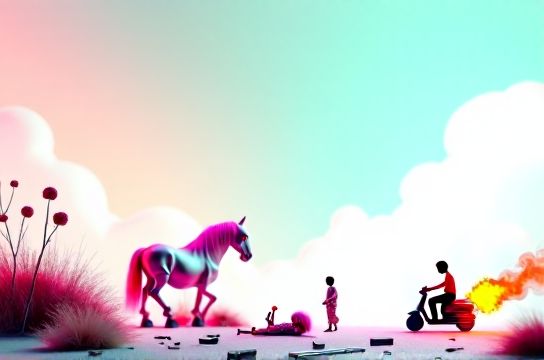
First up: *wumao* culture meets wit. On the surface, many memes look harmless—cute animals, absurd edits, or celebrities caught in awkward moments. But dig deeper, and you’ll find clever satire. Take the now-iconic ‘Grass Mud Horse’ (a pun on a Mandarin curse word). It started as a joke but quickly became a symbol of resistance against online censorship. People weren’t just laughing—they were pushing back.
Then there’s the rise of *tang ping*, or “lying flat” memes. These images of lazy cats, sleepy office workers, or people napping under desks blew up during China’s hustle-culture backlash. Young people, burned out from endless overtime and sky-high housing prices, used memes to say: ‘I’m done chasing the dream.’ It wasn’t laziness—it was quiet protest.
And who could forget *ne zha* reboots? The mythical troublemaker has been photoshopped into everything—from riding electric scooters to vaping. While it looks like pure silliness, it’s also a nod to youth identity. By turning a rebellious deity into a Gen-Z anti-hero, netizens are reclaiming tradition and making it their own.
Even emojis get political. The humble eggplant emoji? Often censored. A simple thumbs-up? Sometimes seen as sarcastic. In China’s tightly monitored digital world, every pixel carries risk—and meaning. That’s why memes thrive: they’re ambiguous enough to fly under the radar, yet clear enough for insiders to get the joke.
Platforms like Weibo, Douyin, and Xiaohongshu amplify the chaos. A single meme can spark nationwide trends overnight. But authorities aren’t blind. Some memes get deleted; others evolve to stay alive. It’s a cat-and-mouse game between creativity and control.
So next time you see a duck wearing sunglasses or a panda shrugging, don’t just laugh. Ask: what’s this really about? Because in China, a meme might be the only place where truth wears a clown nose.
Humor here isn’t just entertainment—it’s survival. And as long as people have phones and Wi-Fi, the jokes will keep coming, one censored caption at a time.