
Tracking the Spread of Network流行语 Across Platforms
- Date:
- Views:247
- Source:The Silk Road Echo
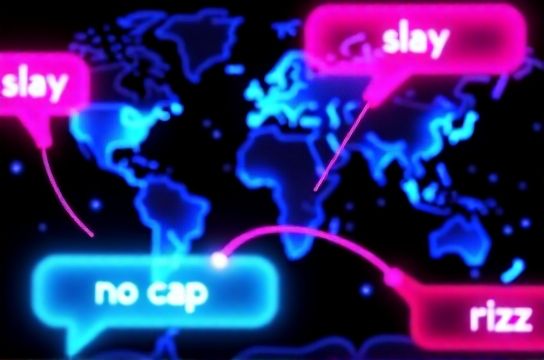
If you've ever said 'sus' instead of 'suspicious' or called someone 'ratioed' on Twitter, congrats—you're fluent in modern internet slang. But have you ever wondered how these quirky phrases go from niche meme corners to mainstream chats? Let’s dive into the wild journey of network slang and how it spreads like digital wildfire.
The Lifecycle of a Viral Phrase
Internet slang doesn’t just appear out of thin air. It usually starts in tight-knit online communities—think Reddit threads, TikTok comment sections, or Discord servers. From there, it either fizzles out or catches fire across platforms.
A 2023 study by Pew Research found that 68% of Gen Z users regularly use internet slang in daily conversations, both online and offline. That’s huge! And platforms play a big role in amplifying these terms.
How Slang Travels: A Platform Breakdown
Not all platforms are created equal when it comes to spreading slang. Here's a snapshot of how key platforms contribute:
| Platform | Slang Origin Rate | Spread Speed (days to go viral) | Top Example |
|---|---|---|---|
| TikTok | 45% | 3–7 | “It’s giving…” |
| Twitter (X) | 30% | 5–10 | “Ratio me if you’re brave” |
| 15% | 7–14 | “NPC behavior” | |
| 10% | 7–12 | “Main character energy” |
As you can see, TikTok is the undisputed king of slang creation. Its short-form video format + algorithmic boost makes it a breeding ground for linguistic trends.
Why Some Phrases Stick (And Others Flop)
Ever heard of 'based'? It’s still around. What about 'yeet'? Still gets thrown around. But remember 'covfefe'? Yeah… didn’t think so.
The secret sauce? Adaptability and humor. Slang that’s flexible in context and delivers a punchline tends to survive. For example, 'rizz'—slang for charisma—was named Oxford’s 2023 Word of the Year. It started in gaming chats, jumped to TikTok, and now even brands are using it.
From Meme to Mainstream: The Corporate Catch-Up
Once slang hits mainstream media or ads, you know it’s peaked. Brands try to stay 'relevant' by dropping terms like 'skibidi' or 'fanum tax' in tweets. But more often than not? It feels forced. Authenticity matters.
Still, the influence is real. A survey by Morning Consult showed that 54% of teens feel more positively about brands that use internet slang correctly—versus 22% when it’s misused.
Final Thoughts: Slang as Digital Culture
Tracking internet slang isn’t just fun—it’s a window into youth culture, identity, and digital evolution. These phrases aren’t random nonsense; they’re coded language shaping how we connect.
So next time you hear 'grimace shake' used ironically, don’t roll your eyes. You might just be witnessing the next chapter of linguistic history.