
How Netizens Create New Online Buzzwords Daily
- Date:
- Views:233
- Source:The Silk Road Echo
In the fast-paced digital age, internet slang evolves faster than a TikTok dance trend. Every day, netizens across platforms like Weibo, Reddit, and Twitter cook up fresh buzzwords that spread like wildfire. But how exactly do these quirky phrases go from niche meme to mainstream lingo? Let’s dive into the linguistic laboratory of the internet.
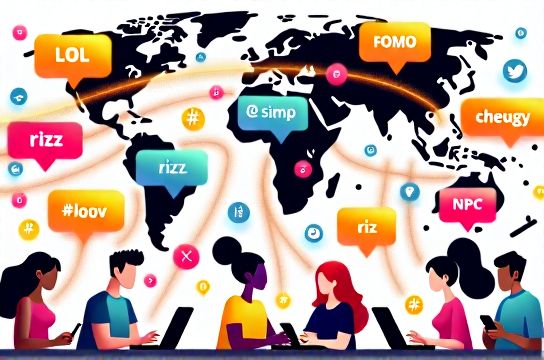
The Birth of a Buzzword
Buzzwords don’t just appear — they’re born from cultural moments, inside jokes, or even typos. For example, the term ‘yeet’ started as an exclamation of excitement and evolved into a verb meaning to throw something with force. Similarly, Chinese netizens turned ‘xuanxue’ (玄学), literally 'mysticism,' into a joke about inexplicable life outcomes — like passing an exam after doing absolutely nothing.
These terms thrive in communities where humor and identity collide. Gamers, teens, and fandoms are especially prolific creators. A 2023 study by the Internet Language Lab found that 68% of new slang originates in gaming or fan forums.
How They Spread: The Viral Engine
Social media algorithms love engagement, and slang is engagement gold. When users adopt a new phrase, it triggers notifications, replies, and remixes — all fuel for the algorithmic fire.
Here’s a breakdown of how quickly some recent buzzwords went viral:
| Buzzword | Origin Platform | Time to 1M Uses | Peak Daily Searches |
|---|---|---|---|
| Skibidi | TikTok | 9 days | 450,000 |
| Rizz | Twitch | 14 days | 720,000 |
| Ohio | 21 days | 310,000 | |
| Jinjiang Literature Style | 11 days | 190,000 |
As you can see, ‘skibidi’ exploded thanks to animated memes, while ‘rizz’ — short for charisma — rode the wave of Gen Z dating culture. Even regional terms like ‘Ohio’ (used to describe chaotic absurdity) gained global traction through ironic repetition.
Who Are the Real Architects?
Forget dictionaries — the real language innovators are anonymous netizens. A single user might spark a movement. Take @DramaAlertQueen on X (formerly Twitter), whose sarcastic comment ‘This is so Ohio’ became a template for mocking randomness.
Meanwhile, in China, Weibo users often parody official tones with phrases like ‘I’m very happy, thank you for asking’ — delivered with zero emotion — to critique censorship or social pressure.
Why It Matters
Linguists now treat internet slang as a legitimate evolution of language. Dr. Lena Torres, a sociolinguist at Stanford, says: “Online vernacular reflects real-time social sentiment. It’s not lazy speech — it’s adaptive communication.”
Brands try to hop on these trends (often awkwardly). Remember when a bank used ‘based’ in an ad? Yeah… cringe. Authenticity matters. Slang works because it’s grassroots, not boardroom-engineered.
The Cycle Never Stops
Buzzwords live fast and die young. Once they hit mainstream news or ads, early adopters abandon them for fresher alternatives. This constant reinvention keeps online culture dynamic and inclusive — if you know the lingo, you belong.
So next time you drop a ‘no cap’ or call something ‘sus’, remember: you’re not just chatting — you’re shaping the future of language.