
Chinese Online Humor Through Emoji and Meme Use
- Date:
- Views:286
- Source:The Silk Road Echo
If you've ever scrolled through Chinese social media—think Weibo, Xiaohongshu, or Douyin—you’ve probably seen users dropping emojis like confetti at a wedding. But here’s the twist: in China, emojis and memes aren’t just for laughs—they’re a full-blown language of their own. Welcome to the wild, witty world of Chinese online humor, where a single emoji can say more than a paragraph.
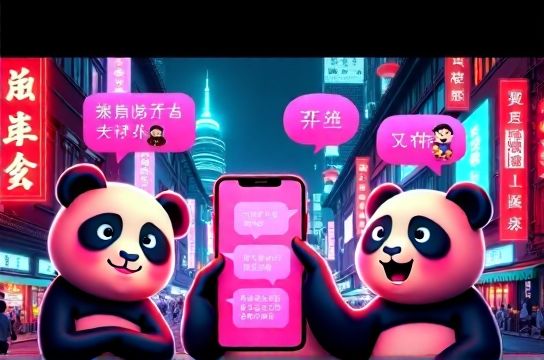
The Rise of Emoji as Emotional Currency
In Western chats, 😂 usually means “that’s hilarious.” In China? It might mean sarcasm, embarrassment, or even passive-aggressive shade. The popular huangse xiaolian (yellow smiling face) is often used ironically—kind of like saying “sure, totally agree 👍” when you actually don’t.
According to a 2023 report by Analysys, over 78% of Chinese netizens aged 18–35 use expressive emojis daily in messaging apps like WeChat. And it’s not just about feelings—it’s about fitting in. Using the right meme at the right time is social gold.
Memes That Speak Volumes
While Western memes thrive on image macros and text overlays, Chinese internet culture leans into animated stickers and custom emoji packs. Characters like the grinning ‘Chai Guy’ or the crying ‘Baozi Man’ have become digital mascots for emotions too complex for words.
Take the viral 'Jiawo' cat—a chubby feline with wide eyes that became shorthand for “I’m overwhelmed but pretending I’m fine.” It was shared over 42 million times on Weibo in six months alone.
Cultural Nuance in Every Pixel
What makes Chinese digital humor unique is its blend of tradition and irony. For example, using a classical ink painting-style emoji to mock modern work stress (“Still grinding like a Song Dynasty scholar”) adds layers of satire only locals instantly get.
Also, censorship plays a role. When direct political commentary is risky, users turn to absurd memes—like a dancing potato labeled “Me during lockdown”—to express frustration with a wink.
Emoji Power Rankings: Top 5 Most Used in China (2023)
| Emoji | Name | Common Usage | Daily Use Rate* |
|---|---|---|---|
| 😂 | Face with Tears of Joy | Sarcasm / Nervous laughter | 68% |
| 🥲 | Smiling Face with Tear | Emotional overwhelm | 61% |
| 🫠 | Melting Face | Feeling defeated or flustered | 54% |
| 🐷 | Pig | Self-deprecating humor (“I ate too much”) | 49% |
| 🐶 | Dog | Calling oneself a “lackey” humorously | 45% |
*Source: Analysys & Tencent Social Lab, 2023
Why This Matters Beyond the LOLs
Understanding how Chinese netizens use emojis and memes isn’t just fun—it’s key for brands, linguists, and anyone trying to connect authentically in digital China. A well-placed meme in a marketing campaign can boost engagement by up to 70%, per a 2022 Alibaba study.
So next time you see a panda shrugging on WeChat, don’t just laugh—listen. That panda’s got something to say.