
Meme Culture China Relatable Humor Across Regions
- Date:
- Views:240
- Source:The Silk Road Echo
If you've scrolled through Chinese social media—Douban, Weibo, or even Moments on WeChat—you've probably seen that weird frog with a tiny hat, or a panda shrugging in resignation. Welcome to Meme Culture China, where internet humor isn't just funny—it's a cultural cipher, packed with regional quirks, linguistic puns, and shared exhaustion from urban life.
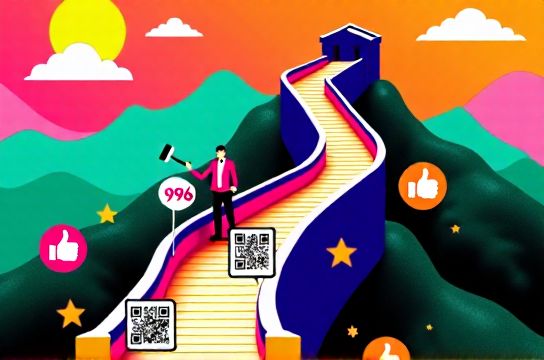
China’s meme scene thrives on relatability. Unlike Western memes that often go for absurdity (looking at you, Doge), Chinese netizens craft jokes that mirror daily struggles: crowded subways, sky-high rent, and the eternal pressure of 'Have you eaten yet?' from Aunties who still think marriage cures loneliness.
The Rise of Regional Meme Identity
What makes Meme Culture China so unique? It’s hyper-local. A meme from Chengdu might roast Sichuan laziness ('Why walk when you can nap?'), while one from Beijing mocks the city’s competitive hustle ('If you're not stressed, are you even alive?'). Shanghai memes? All about subtle superiority and expensive coffee.
These aren’t random jokes—they reflect real socio-economic vibes. Let’s break it down:
| City | Slogan (Translated) | Common Meme Theme | Viral Example |
|---|---|---|---|
| Beijing | 'Pressure is the default setting.' | Hustle culture, housing stress | A cartoon Peking duck sweating in a suit |
| Shanghai | 'We’re polite, but we’re priced out.' | Gentrification, dating costs | A couple arguing over a 60 RMB latte |
| Chengdu | 'Life’s short. Nap now.' | Leisure, spicy food obsession | Panda lying in hotpot broth, eyes closed |
| Guangzhou | 'We speak our mind—and Cantonese.' | Language pride, dim sum debates | Elderly auntie yelling 'No soy sauce? No respect!' |
Linguistic Layers: Why Translation Fails
You can’t Google Translate these memes and get the joke. Take the viral term “wo tai nan le” (我太难了) — literally 'I’m too difficult,' but actually meaning 'I’m overwhelmed.' Paired with a sad cartoon figure, it became a national cry of despair during exam season and job hunts.
Then there’s homophonic wordplay. The number 520 sounds like 'I love you' in Mandarin, making it Digital Valentine’s Day. Meanwhile, 420 is avoided like the plague—because it sounds like 'die, die, zero.'
Platform Politics: Where Memes Live
- Weibo: Fast, political-adjacent satire (carefully veiled, of course).
- Douyin (TikTok): Visual slapstick with trending audio.
- Douban: Niche, ironic communities like 'The Group That Hates People.'
Each platform shapes meme style. Douban’s sarcasm is dry as desert wind; Douyin’s humor hits fast and loud.
Why This Matters Beyond Laughter
Memes in China aren’t just escapism—they’re soft resistance. When housing prices soar, a meme of a mouse living in a shoebox says more than any protest ever could. They build community among the overworked youth, turning shared pain into inside jokes.
In a country where open criticism is risky, humor becomes a coded language. As one netizen put it: 'If we can’t change reality, we’ll mock it until it blinks.'
So next time you see a panda crying into its baozi, don’t just laugh—read between the lines. Meme Culture China isn’t just comedy. It’s survival, solidarity, and silent rebellion—all wrapped in a 3-second GIF.