
Inside China’s Emoji Revolution: How Emojis Became Cultural Code on WeChat and Weibo
- Date:
- Views:453
- Source:The Silk Road Echo
In China, a simple smiley isn’t just cute—it’s cultural currency. While Western users tap out 😂 or 🙃, Chinese netizens are deep in an emoji arms race fueled by creativity, irony, and social nuance. On platforms like WeChat and Weibo, emojis aren’t decorations—they’re digital dialects.
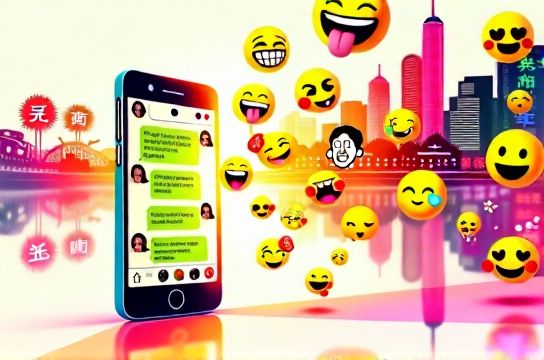
Take the infamous huanglian xiaodou (苦脸小豆), that sad little yellow face sweating nervously. Born from early 2010s forums, it evolved into a meme symbolizing silent suffering—perfect for dodging your boss’s 11 PM message. Or the sly “dog face” emoji 🐶, which ironically means you’re being shady. Context is everything.
Data shows Chinese users send over 6.8 billion custom stickers daily on WeChat alone (Tencent, 2023). Unlike static global emojis, China’s sticker economy thrives on personalization. Artists and brands create themed packs—like the viral “Baozi Cat” series or Durex’s cheeky condom-themed animations—that double as emotional tools and marketing goldmines.
Why does this matter? Because in high-context Chinese communication, tone is everything. A blunt text can seem rude; a well-placed crying-laughing emoji (😂) softens the blow. Emojis act as politeness buffers, relationship lubricants, and even power plays.
The Hidden Language of Stickers
On Weibo, influencers use emojis to craft persona-driven content. A celebrity might post “Just another late night at the studio 💔☕️🌙” — each emoji a narrative beat. Fans decode them like hieroglyphs: heartbreak, caffeine, exhaustion. It’s visual storytelling at scale.
But there’s also subversion. Young users weaponize cuteness. Sending a pink bunny waving “Hi!” after a heated argument? That’s not friendly—it’s passive-aggressive warfare.
Emojis vs. Censorship: The Silent Workaround
In a monitored digital landscape, emojis morph into coded speech. When sensitive topics arise, users deploy metaphors: 🐉 for “authority,” 🌸 for certain female celebrities under scrutiny, or 🧢 (a hat) to hint at political figures. It’s linguistic jujitsu—using innocence to dodge filters.
| Emoji | Literal Meaning | Cultural Subtext | Platform Popularity |
|---|---|---|---|
| 😅 | Smiling with sweat | Nervousness, awkward escape | WeChat (High) |
| 🐶 | Dog face | Sarcasm, calling someone shady | Weibo (Viral) |
| 💼🐷 | Briefcase + Pig | Corrupt official | Weibo (Coded) |
| 🧋 | Milk tea | Youth culture, dating slang | WeChat (Gen Z) |
This emoji layering isn’t random—it’s a semiotic ecosystem. Brands get it. In 2022, Alibaba launched a Lunar New Year sticker pack featuring AI-generated pandas doing TikTok dances. Downloads hit 42 million in a week.
Meanwhile, homegrown creators profit. One indie artist earned ¥380,000 ($52k) in six months selling sarcastic office-life stickers. Tencent takes a 30% cut—proving that in China, emotional expression has a price tag.
The Future: AI, Identity, and Irony
As AI avatars rise, so do personalized emoji clones. WeChat now lets users generate sticker versions of their faces. Want to send a winking you during a flirty chat? Done. This blurs identity and performance—your digital self becomes both authentic and theatrical.
Yet beneath the whimsy lies tension. Can playful emojis coexist with surveillance? Will corporate sticker monopolies kill grassroots creativity? One thing’s clear: in China, every pixel carries meaning.
So next time you fire off a quick 😊, remember—on the other side of the firewall, someone’s sending a tearful eggplant 🍆💦 to say “I’m done with life.” Welcome to the emoji revolution.