
‘I’m Just a Little Fresh Meat’: Unpacking Gender and Identity in Online Chinese Slang
- Date:
- Views:388
- Source:The Silk Road Echo
You’ve probably seen it — that cheeky phrase ‘I’m just a little fresh meat’ popping up in Chinese social media bios, livestream chats, or Weibo comments. But what’s really behind this playful slang? And why does it keep showing up in memes, flirtatious banter, and even political satire? Let’s dive into the wild world of online Chinese slang and unpack how gender, identity, and internet culture collide in one seemingly innocent phrase.
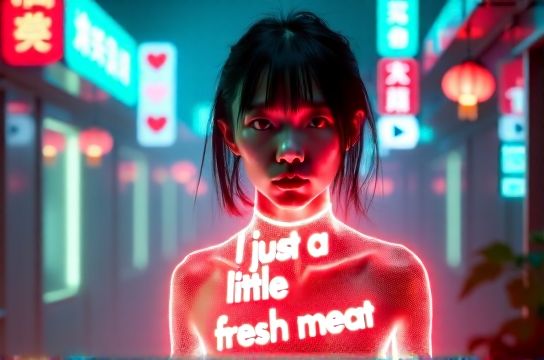
First off, ‘fresh meat’ (鲜肉, xiān ròu) originally referred to young, attractive male celebrities — think boy band idols with flawless skin and soft voices. It became a full-blown obsession around 2015, fueled by idol competition shows and fan-driven fandoms. But over time, netizens started flipping the script. Regular users — especially women and LGBTQ+ communities — began calling *themselves* ‘little fresh meat’ as a form of self-deprecating humor or ironic empowerment.
Why? Because reclaiming terms is kind of the internet’s favorite pastime. By saying ‘I’m just a little fresh meat,’ someone might be joking about their perceived lack of experience, poking fun at youth-obsessed beauty standards, or flirting in a cutesy, submissive way. It’s like saying, ‘Yeah, I’m new, I’m cute, take me seriously but not too seriously.’
But here’s where it gets juicy: gender fluidity. In Mandarin, there are no gendered pronouns in speech, which gives online personas more room to play. Calling yourself ‘fresh meat’ can be a way to temporarily shed traditional gender roles — especially for women embracing a softer, more ‘feminized’ male aesthetic, or for queer users exploring identity in a relatively safe digital space.
Platforms like Bilibili, Douyin, and even dating apps have turned this phrase into a micro-culture. Streamers use it to appear humble; fans use it to flirt with idols; activists sometimes twist it to critique the commercialization of youth and beauty. It’s not just slang — it’s a social signal.
Of course, it’s not all fun and games. Some critics argue that ‘fresh meat’ culture objectifies young men just as much as traditional media objectifies women. And when companies profit from packaging personalities as consumable ‘meat,’ it raises ethical questions about labor, mental health, and authenticity.
Yet, for everyday users, repurposing the term feels liberating. It’s a tiny act of rebellion — owning your vulnerability, mocking societal pressures, or just vibing in a community that gets the joke.
So next time you see ‘I’m just a little fresh meat,’ don’t just scroll past. Pause. Laugh. Wonder. Because behind those five words is a whole conversation about who we are — and who we’re allowed to be — online.