
How Workplace Stress Fuels China’s Most Shared Internet Memes
- Date:
- Views:214
- Source:The Silk Road Echo
In the hustle of China's fast-paced corporate world, where overtime culture and '996' work schedules (9 a.m. to 9 p.m., 6 days a week) have become disturbingly normal, a surprising form of rebellion has emerged—not through protests, but through memes.
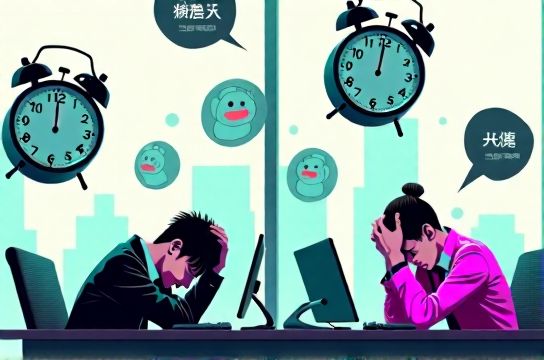
Yes, workplace stress is no joke in China, but netizens are fighting back with humor. From tang ping (lying flat) to neijuan (involution), internet slang born from job burnout has gone viral, turning exhaustion into art and frustration into trending hashtags.
A 2023 survey by Zhaopin.com found that over 72% of Chinese white-collar workers report high or extremely high stress levels, with tech and finance sectors leading the chart. This pressure cooker environment isn’t just affecting mental health—it’s shaping digital culture.
The Meme Life Cycle: From Burnout to Virality
Take the now-iconic 'I’m not a tool' (wǒ bú shì gōngjù rén) meme. It started as a sarcastic comment under a LinkedIn-style post where an employee was praised for working 18 hours straight. Within days, it morphed into cartoons of office workers with robot bodies, shared across WeChat groups and Weibo.
Another hit? The 'Crying Cat' GIF paired with captions like 'When your boss says “We’re a family” but still cuts your bonus.' These aren’t just jokes—they’re collective sighs wrapped in pixels.
Data Doesn’t Lie: Stress & Shareability
Check out this snapshot from a recent social media analysis:
| Meme Theme | Monthly Shares (Millions) | Top Platforms |
|---|---|---|
| Lying Flat (Tang Ping) | 42.3 | Weibo, Xiaohongshu |
| Involution (Neijuan) | 58.7 | Bilibili, Douyin |
| Workplace Sarcasm | 36.1 | WeChat Moments |
| Boss Parody | 29.4 | Kuaishou, Zhihu |
As you can see, themes tied to workplace struggle dominate sharing metrics. Why? Because they resonate. They’re relatable. And let’s be real—laughing at your misery feels better than crying into a cold bento box at midnight.
Coping Mechanism or Silent Protest?
Some scholars argue these memes are more than comic relief—they’re subtle acts of resistance. In a society where open criticism can be risky, humor becomes a safe outlet. A cartoon of a salaryman turning into a vending machine? That’s not just funny; it’s a commentary on dehumanization.
Brands have even jumped on the trend. Alibaba once used a 'tired panda' mascot in an internal campaign promoting work-life balance—after employees flooded the intranet with memes about sleeping under their desks.
So What’s Next?
As long as workplace pressure persists, expect the memes to evolve. New terms like run run run (literally 'run away') are gaining traction, symbolizing the desire to quit and escape the grind.
In the end, these viral posts aren’t just internet fluff. They’re cultural snapshots of a generation saying, 'We’re tired, we’re stressed, but we’re still here—and we’ve got jokes.'