
From 'Xida Xiben' to 'Involution': Understanding China's Internet Slang Evolution
- Date:
- Views:249
- Source:The Silk Road Echo
If you've ever scrolled through Chinese social media and felt like everyone was speaking a secret code, you're not alone. From the cheerful xida xiben to the painfully relatable neijuan (involution), China's internet slang tells a story—of joy, sarcasm, and societal pressure. Let’s dive into how these viral phrases evolved and what they reveal about modern Chinese culture.
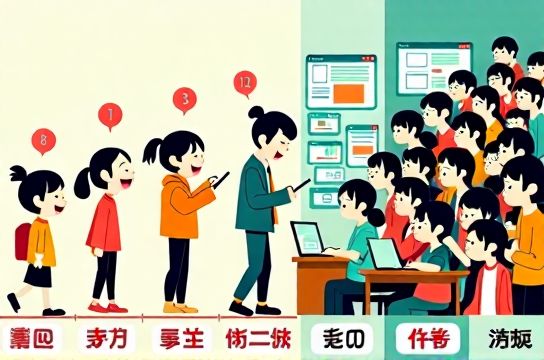
The Rise of Internet Expressions in China
China's digital landscape is home to over 1.05 billion netizens (CNNIC, 2023). With strict content controls, users have turned creative, using coded language, homophones, and satire to express themselves. This linguistic playground gave birth to expressions that are now embedded in daily conversation.
From Joy to Exhaustion: A Timeline of Key Terms
- Xida Xiben (喜大普奔): Short for “xǐ chū wàng wài, dà shā fēng jǐng, pǔ tiān tóng qìng, bēn zǒu xiāng gào” — meaning overwhelming joy and celebration. Popular around 2010–2013, it captured pure internet euphoria.
- Geili (给力): Literally “giving strength,” this term peaked during the 2010 World Cup, symbolizing something awesome or impressive.
- Tuhao (土豪): Once a historical class label, it resurged around 2013 to mock newly rich spenders, especially on luxury goods.
- Involution (内卷, nèijuǎn): Originally an anthropological term, it went viral around 2020 to describe cutthroat competition with no real gain—like working overtime just to keep up.
Why These Words Matter
These aren’t just memes—they reflect shifting mindsets. While early slang was playful, recent terms like involution and tangping (lying flat) signal burnout and resistance to relentless hustle culture.
| Term | Year Peaked | Literal Meaning | Social Reflection |
|---|---|---|---|
| Xida Xiben | 2012 | Overjoyed and rushing to share | Optimism in early social media |
| Geili | 2010 | Giving power | Cultural pride and excitement |
| Tuhao | 2013 | Local tyrant/landlord | Wealth inequality & consumerism |
| Involution (Neijuan) | 2020 | Internal rolling | Workplace stress & competition |
The Language of Resistance
Today’s slang isn’t just descriptive—it’s defensive. Phrases like 996 is福报 (blessing) use irony to criticize grueling work hours. Meanwhile, emo and zhuangtai quan (performance mode) highlight mental health awareness creeping into public discourse.
In short, tracking Chinese internet slang is like reading the nation’s emotional diary. What started as fun abbreviations has become a mirror of societal anxiety, creativity, and resilience.