
Explaining Chinese Buzzwords: The Hidden Meaning Behind 'Fanquan' and 'Niliu'
- Date:
- Views:264
- Source:The Silk Road Echo
If you've spent any time scrolling through Chinese social media lately, you've probably stumbled upon terms like 'Fanquan' (饭圈) and 'Niliu' (逆流). These aren't just random slang—they're cultural phenomena shaping how millions of young people interact online. Let’s dive into what they really mean, why they matter, and how they’re changing China’s digital landscape.
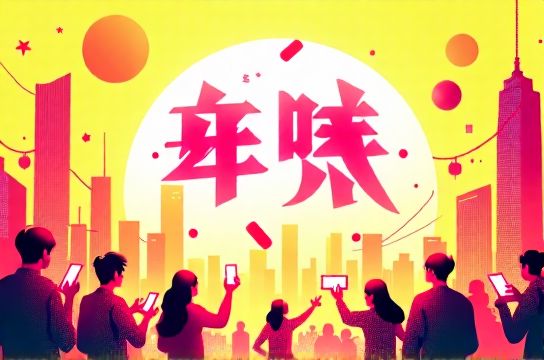
What Is 'Fanquan'? More Than Just Fan Culture
'Fanquan' literally means 'dining circle,' but don’t be fooled—it has nothing to do with food. It refers to the tightly-knit, highly organized communities of fans who rally around celebrities, especially idols in pop music, TV dramas, or esports. Think of it as K-pop fandom on steroids—but with a uniquely Chinese twist.
These fan groups operate like digital armies. They coordinate voting campaigns, boost streaming numbers, flood social media with praise, and even fund billboards in Times Square—all to elevate their idol’s status. According to a 2023 report by iResearch, over 420 million Chinese netizens have participated in fanquan activities, with users aged 15–25 making up nearly 70%.
| Buzzword | Literal Meaning | Cultural Significance | Primary Platform |
|---|---|---|---|
| Fanquan (饭圈) | Dining Circle | Hyper-organized fan culture focused on idol promotion | Weibo, Douyin, Xiaohongshu |
| Niliu (逆流) | Countercurrent | Pushback against mainstream trends or toxic fan behavior | Bilibili, Zhihu |
The Rise of 'Niliu': Pushing Back Against the Hype
But not everyone’s buying into the hype. Enter 'Niliu'—a growing movement of users who resist the pressure to conform. 'Niliu' translates to 'countercurrent,' symbolizing those swimming against the tide. These are often critical thinkers, skeptics, or disillusioned ex-fans who question blind loyalty, call out manipulation, and advocate for more authentic content.
For example, when a popular idol was caught in a PR scandal, instead of defending him, many 'niliu' voices demanded accountability. This shift reflects a maturing internet culture—one where emotion-driven loyalty is being challenged by reason and ethics.
Why This Matters: Power, Control, and Digital Identity
Fanquan isn’t just about admiration; it’s about power. Agencies and platforms profit from this engagement, using algorithms to amplify emotional content. But with great engagement comes great responsibility—or abuse. In 2021, China’s government cracked down on 'toxic fan culture,' banning ranking systems and underage participation.
Meanwhile, 'niliu' represents a quiet rebellion—a desire for autonomy in an age of algorithmic control. As one Bilibili user put it: 'I support my favorite artists, but I won’t be manipulated.'
In short, these buzzwords reveal a deeper story: the battle for digital identity in modern China. Are you part of the crowd, or are you swimming against it?