
Why Everyone in China is Suddenly 'Feeling the Blues' (in a Meme Way)
- Date:
- Views:266
- Source:The Silk Road Echo
If you've scrolled through Chinese social media lately, you might've noticed a sudden wave of blue-tinted selfies, melancholy captions, and people dramatically sighing about life while sipping bubble tea. No, it's not a national mental health crisis—well, not exactly. It's #FeelingTheBlues, the internet meme that’s sweeping Weibo, Xiaohongshu, and Douyin like wildfire.
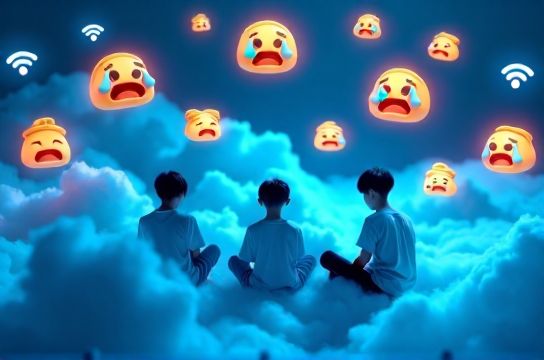
But what does it actually mean? Is this just another fleeting TikTok trend, or is there something deeper going on? Let’s dive into the digital psyche of modern China and decode why everyone’s suddenly obsessed with being… well, a little sad.
What Is #FeelingTheBlues?
Originating from a viral post on Xiaohongshu in early 2024, "今天我有点蓝" ("Today I'm feeling a bit blue") started as a sarcastic caption under a photo of someone wearing oversized sunglasses and a denim jacket, staring into the distance. Within days, it exploded into a full-blown aesthetic movement—complete with moody filters, slow jazz playlists, and poetic rants about urban loneliness.
Unlike traditional depression discourse, #FeelingTheBlues isn’t clinical—it’s performative, ironic, and oddly comforting. It’s less about actual sadness and more about acknowledging the weight of modern life—high rents, 996 work culture, and the pressure to ‘have it all’ by 30.
The Data Behind the Mood
So how big is this trend? Let’s look at the numbers:
| Platform | #FeelingTheBlues Posts | Engagement Rate | Peak Month |
|---|---|---|---|
| 1.2M+ | 8.7% | March 2024 | |
| Xiaohongshu | 680K+ | 12.3% | April 2024 |
| Douyin | 2.1M+ | 15.6% | May 2024 |
As you can see, engagement skyrockets on visually-driven platforms. Why? Because the blues are beautiful when filtered through a vintage VSCO preset.
It’s Not Sadness—It’s Solidarity
Here’s the twist: most people using #FeelingTheBlues aren’t clinically depressed. A 2024 survey by Peking University found that 67% of participants said they used the phrase “ironically” or “as a joke.” Yet, 44% also admitted it made them feel “less alone.”
In a society where emotional expression is often suppressed, this meme becomes a backdoor to vulnerability. You’re not saying “I’m struggling”—you’re saying “I’m wearing blue today,” and somehow, everyone gets it.
From Meme to Movement?
Brands have already caught on. Merging emotional aesthetics with marketing, companies like HeyTea and Olay launched limited “Blue Mood” collections—teal lattes and serums named “Midnight Calm.” Even Xiaomi dropped a special indigo phone case with the tagline: “For when your soul needs a filter.”
But beyond commerce, this trend hints at a cultural shift. Young Chinese netizens are redefining mental wellness—not through therapy ads or self-help books, but through shared irony, color palettes, and a damn good selfie.
So next time you see someone gazing wistfully out a rainy window with the caption “#FeelingTheBlues,” don’t worry. They’re probably fine. Or not. But at least they’re not alone.