
Behind the Laughter: The Social Anxiety Embedded in China’s Viral Challenges
- Date:
- Views:273
- Source:The Silk Road Echo
In the age of short videos, China's internet is flooded with viral challenges—from the "lying flat" trend to dance crazes on Douyin. At first glance, they're all fun and games. But dig a little deeper, and you'll find something more profound: a wave of social anxiety simmering beneath the laughter.
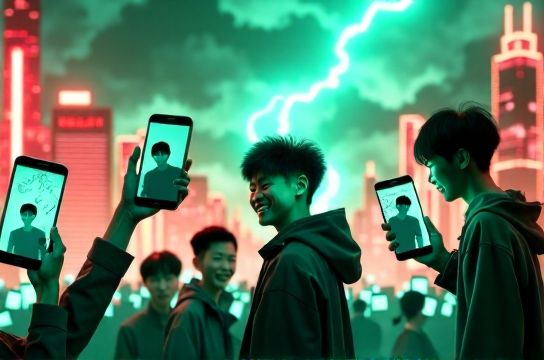
These viral moments aren’t just random acts of silliness. They’re cultural symptoms. Young people use humor and exaggeration to cope with real pressures—job insecurity, sky-high housing costs, and intense social expectations. In fact, a 2023 survey by iResearch found that 68% of Chinese users aged 18–30 participate in online challenges mainly to relieve stress.
The Psychology Behind the Trend
Take the "Tang Ping" (lying flat) movement. It started as a quiet protest against overwork culture. Then came the "Neijuan" (involution) memes—satirical sketches showing people running on a hamster wheel of endless competition. These aren’t jokes; they’re cries for mental breathability.
And yet, platforms like Douyin and Xiaohongshu turn these expressions into entertainment. The irony? The very system that causes anxiety also profits from its parody.
Data Doesn’t Lie: A Snapshot of User Behavior
Here’s a breakdown of how young Chinese netizens engage with viral content:
| Motivation | Percentage (Ages 18–30) | Top Platforms |
|---|---|---|
| Stress Relief | 68% | Douyin, Kuaishou |
| Social Connection | 52% | WeChat Channels, Xiaohongshu |
| Fame/Influence | 29% | Bilibili, Weibo |
| Political Expression | 18% | Anonymous Forums, Zhihu |
As you can see, most participation is emotionally driven—not for clout, but for catharsis.
The Double-Edged Sword of Virality
On one hand, these trends build communities. A person feeling isolated might find solidarity in a meme about burnout. On the other, the algorithm rewards extremes. Mild discontent gets amplified into absurd performance—like eating spicy noodles until tears flow, not because it’s fun, but because it gets views.
And once a challenge goes mainstream, it often loses its original meaning. "Lying flat" was a philosophical stance; now it’s a punchline.
What’s Next?
The future of viral culture in China hinges on balance. Can digital expression remain authentic under commercial and regulatory pressure? Will these challenges evolve into real social dialogue, or stay trapped in the cycle of click-driven satire?
One thing’s clear: behind every laugh, there’s a story—and often, a silent scream.