
How Meme Culture on Chinese Social Media Reflects Youth Anxiety
- Date:
- Views:245
- Source:The Silk Road Echo
In the bustling digital streets of Weibo, Douyin, and Xiaohongshu, a curious trend has taken over: memes. But beyond the laughter and absurdity lies something deeper—a coded cry from China’s youth. Far from just internet jokes, meme culture in China has evolved into a subtle yet powerful outlet for expressing anxiety, frustration, and disillusionment in an era of intense societal pressure.
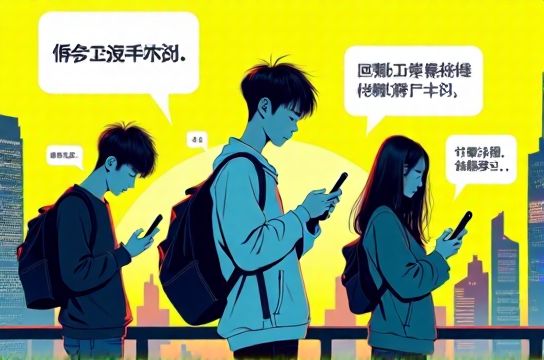
Why are young Chinese people turning to memes? Let’s break it down. With skyrocketing housing prices, fierce job competition, and the infamous 996 work culture (9 AM to 9 PM, 6 days a week), many feel trapped. According to a 2023 survey by Peking University, over 65% of urban youth aged 18–35 report high levels of stress, with job insecurity and financial strain topping the list.
Enter memes—creative, ironic, and often surreal. They don’t protest outright; they mock. A popular meme shows a cartoon panda lying flat in bed with the caption: “I’m not lazy—I’m energy-efficient.” This is “tang ping” (lying flat) ideology in action: rejecting hustle culture through humor.
Another example? The rise of “emo rants” disguised as jokes. On Douban’s “Anti-Work Group,” users post memes like a salary slip showing ¥3,500 income and ¥3,490 in rent, food, and loans—with the text: “My dream is to afford breathing.” It’s funny… until you realize it’s not.
The Data Behind the Laughter
Memes aren’t just random—they reflect real struggles. Check out this snapshot:
| Issue | Meme Theme | Platform Prevalence | Youth Resonance (1–10) |
|---|---|---|---|
| Job Market Pressure | “I am a human doormat for capitalism” | Weibo, Zhihu | 9.2 |
| Housing Costs | “My rent eats my soul” | Xiaohongshu, Douyin | 8.7 |
| Relationship Stress | “Love is expensive. I’ll stick with Wi-Fi.” | Douban, Bilibili | 7.9 |
| Mental Health | “My mood: loading... error 404” | All platforms | 9.5 |
These memes do more than entertain—they build community. In a society where open dissent is risky, humor becomes resistance. As one netizen put it: “We can’t change the world, but we can laugh at it.”
What’s next? Authorities have noticed. Some meme pages have been censored, labeled as “spreading negative energy.” Yet, the culture persists—morphing, adapting, surviving.
In the end, Chinese meme culture isn’t just about jokes. It’s a mirror. A distorted, hilarious, heartbreaking mirror held up to a generation trying to survive—and stay sane—in impossible times.