
How Memes on Weibo Reflect the Chinese Youth's Attitude Toward Work and Life
- Date:
- Views:227
- Source:The Silk Road Echo
In the fast-paced digital era, Weibo has become more than just a social platform—it’s a cultural mirror. Especially for China’s youth, memes (or ‘tucao’ culture) on Weibo aren’t just jokes; they’re powerful expressions of their views on work, life, and societal pressure. From the infamous ‘Tang Ping’ (lying flat) to ‘Neijuan’ (involution), internet slang paired with viral images captures the emotional pulse of a generation.
Take ‘Neijuan’, for example. Originally an academic term, it now describes the exhausting rat race—working longer hours for diminishing returns. A 2023 survey by Peking University found that over 68% of young workers aged 18–35 feel trapped in workplace competition. Memes show exhausted office workers as hamsters running in endless wheels—a darkly humorous take on modern labor.
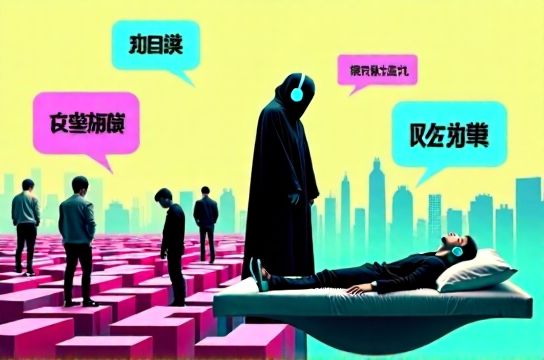
Then comes ‘Tang Ping’, the quiet rebellion. It’s not about laziness, but rejecting unsustainable hustle culture. One popular meme shows a person napping under a tree with the caption: “I’m not lazy—I’m optimizing my energy output.” This reflects a shift from material success to mental well-being.
Another rising trend is ‘Sang Culture’—a blend of sarcasm and sadness. Think black-background photos with phrases like “I’m just a loser with no future.” But beneath the gloom lies resilience. As one netizen joked, “If laughing at pain is wrong, then I’ll never be right.”
To understand how these memes spread, let’s look at engagement data:
| Meme Theme | Monthly Posts (Weibo) | Avg. Shares | Top Age Group |
|---|---|---|---|
| Neijuan (Involution) | 42,000+ | 1,200 | 22–27 |
| Tang Ping (Lying Flat) | 38,500+ | 950 | 25–30 |
| Sang Culture | 29,000+ | 730 | 18–24 |
These numbers aren’t just stats—they reflect real sentiment. Brands and even policymakers are paying attention. Some companies now promote “anti-involution” team-building events, while state media have discussed the need for better youth mental health support.
So next time you see a seemingly silly meme of a crying cat or a potato labeled “me on Monday,” remember: it’s more than humor. It’s a coded cry for balance, dignity, and authenticity in a hyper-competitive world. In short, Weibo memes are the poetry of protest—short, sharp, and deeply human.