
The Secret Life of 'Laoma': Gender and Labor in Meme Culture
- Date:
- Views:292
- Source:The Silk Road Echo
Move over, superheroes—there's a new cultural icon in town: 'Laoma'. No cape, no catchphrase, just an apron, unmatched socks, and a to-do list that never ends. If you've spent more than five minutes scrolling through Chinese social media, you've probably seen her. Laoma, literally meaning 'old mom' or 'mama', has evolved from a familial term into a viral meme symbolizing the invisible labor of women in modern households.
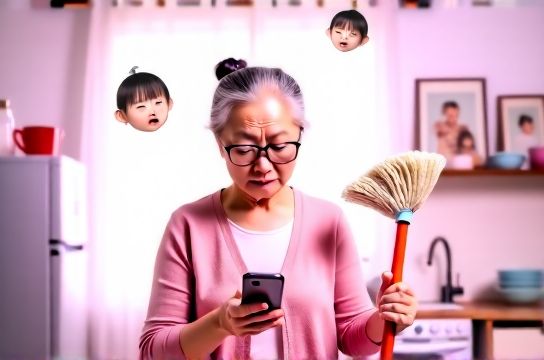
But let’s get real—why is Laoma trending? And what does her digital afterlife say about gender roles, emotional labor, and the absurdity of unpaid domestic work?
The Rise of Laoma: From Kitchen Queen to Internet Legend
Laoma isn’t just any mom. She’s the woman who wakes up at 5:30 a.m. to make breakfast, packs three different lunches, cleans the house while negotiating with a toddler on the floor, and still finds time to post a WeChat moment about 'simple joys'. She’s not celebrated in awards shows—but she dominates meme feeds.
A 2023 survey by Peking University’s Gender Institute found that 78% of urban Chinese women aged 30–45 identify with the 'Laoma' persona, either personally or through their mothers. That’s not just relatable—it’s a movement.
What Is Emotional Labor? (And Why Laoma Does Too Much of It)
Emotional labor—the invisible work of managing feelings and relationships—is rarely paid, but always expected. Think remembering your mother-in-law’s favorite tea, planning family reunions, or smiling politely when your husband says, 'I helped!' after loading the dishwasher once.
Here’s how it breaks down:
| Task | Average Time/Week (Women) | Average Time/Week (Men) |
|---|---|---|
| Meal Planning & Cooking | 6.8 hours | 2.1 hours |
| Childcare Coordination | 5.3 hours | 1.7 hours |
| Household Management | 4.9 hours | 1.3 hours |
| Emotional Check-ins | 3.6 hours | 0.8 hours |
Sources: National Bureau of Statistics of China (2022), CGSS Time Use Survey
Laoma doesn’t clock out. She’s the silent engine keeping families running—and now, she’s finally getting her 15 minutes of meme fame.
From Stereotype to Subversion: How Memes Are Fighting Back
What makes the Laoma meme powerful isn't just humor—it's subversion. By exaggerating her endless chores ('Laoma doesn’t age—she levels up'), netizens are calling out systemic inequities. One popular meme shows Laoma with a superhero filter: 'She doesn’t fly. She deep-cleans.'
These jokes aren’t dismissing her work—they’re highlighting how undervalued it is. As one Weibo user wrote: 'We laugh because if we cried, we’d never stop.'
So… What Now?
The Laoma phenomenon isn’t just about memes. It’s a mirror. It shows us who we expect to care, clean, and compromise—without applause. But here’s the twist: awareness is growing.
Brands like Haier and Liby have launched ad campaigns featuring 'Modern Laomas' supported by tech and shared household duties. Even schools are starting discussions on gender equity in domestic life.
Maybe one day, Laoma won’t need to be a meme to be seen. Until then, pass the mop—and the mic.