
Binzhou vs Zibo Rising Industrial Towns in Shandong
- Date:
- Views:271
- Source:The Silk Road Echo
If you're scouting for the next big industrial hub in Shandong, you’ve probably heard of Zibo and Binzhou. Both cities have been quietly building momentum — but which one offers better opportunities for business growth, investment, or relocation? Let’s break it down with real data, local insights, and a no-fluff approach.
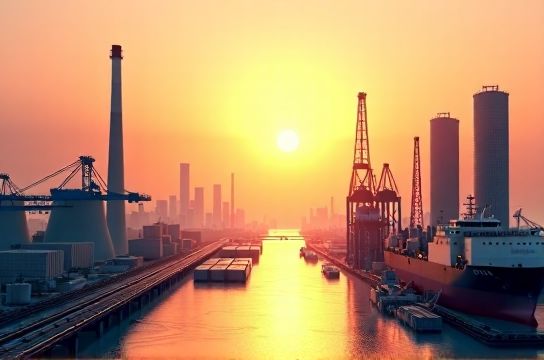
Why These Cities Matter Now
Zibo made global headlines in 2023 as China’s 'BBQ capital' — but don’t let the viral fame fool you. It's actually a powerhouse in chemicals, ceramics, and advanced manufacturing. Meanwhile, Binzhou, often overshadowed, dominates in aluminum production and agro-industry, thanks to its proximity to the Yellow River.
So, who wins in 2024? Spoiler: It depends on your goals.
Side-by-Side Economic Snapshot
Here’s a quick comparison based on 2023 provincial GDP reports and industrial output:
| Metric | Binzhou | Zibo |
|---|---|---|
| GDP (2023) | ¥330.7 billion | ¥455.6 billion |
| Industrial Output | Aluminum, Food Processing | Chemicals, Ceramics, Machinery |
| Top Employer | Weiqiao Group (world’s largest textile & aluminum firm) | Sinochem Qilu Petrochemical |
| Rail & Highway Access | Good regional links | Direct high-speed rail to Jinan & Qingdao |
| Avg. Factory Land Price (RMB/sqm) | 380 | 520 |
Where Each City Excels
Zibo is ideal if you’re in specialty chemicals or export-oriented manufacturing. Its integration into the Jinan-Qingdao development corridor means faster logistics and stronger policy support. Plus, the city has invested over ¥20 billion in tech upgrades since 2021.
Binzhou, on the other hand, is unbeatable for cost efficiency. With Weiqiao Group anchoring its economy, energy and raw materials are more accessible. Labor costs are ~12% lower than in Zibo, according to Shandong Statistical Yearbook 2023.
The Verdict: Choose Based on Your Needs
- Need speed, connectivity, and innovation? Go Zibo.
- Want lower overhead and stable supply chains? Binzhou is your bet.
Neither city is a clear 'winner' — they serve different niches. But both prove that beyond China’s Tier-1 giants, real industrial strength is rising in places people once overlooked.